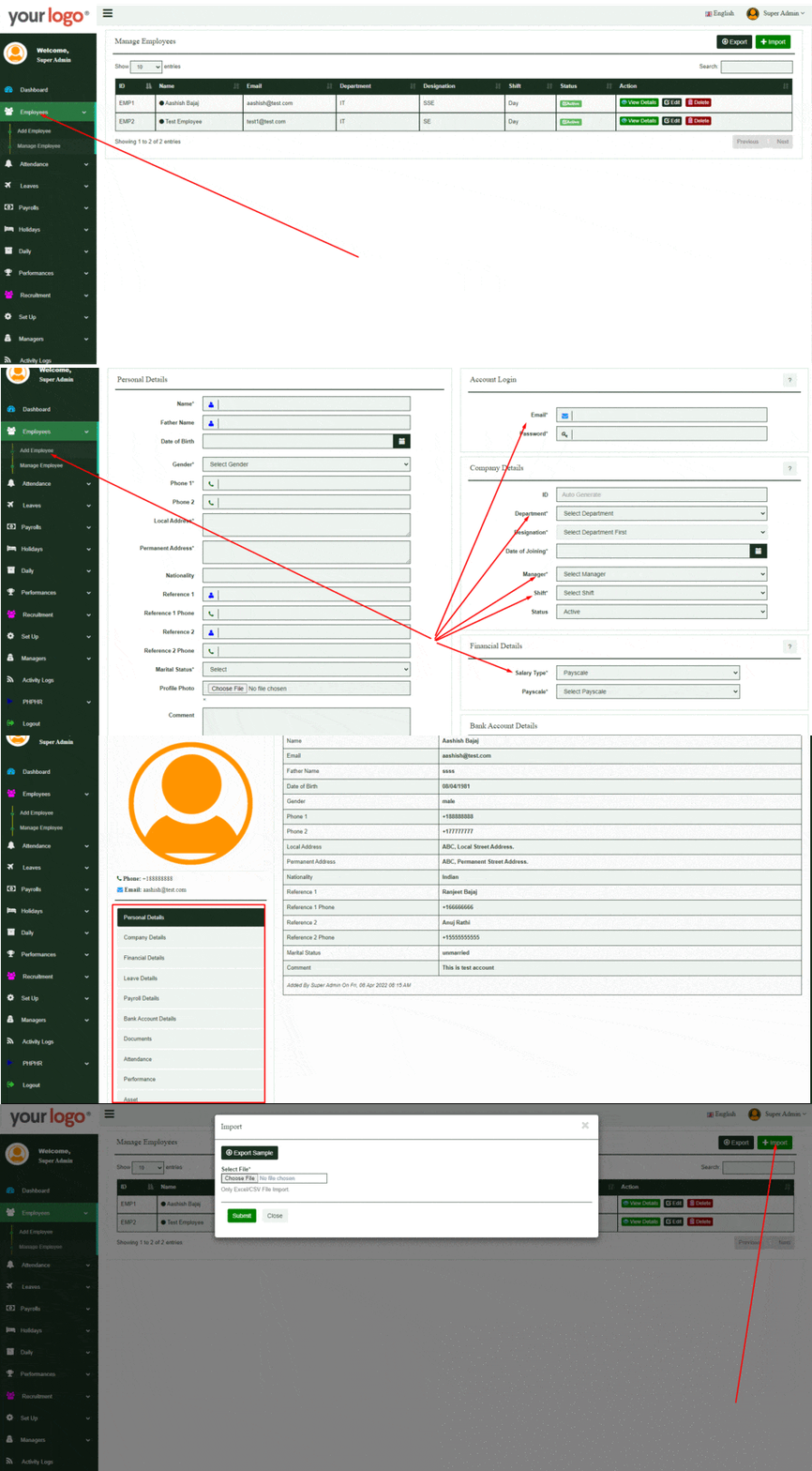
Employee scheduling software allows you to automate the process to reduce data entry mistakes and oversights. You can easily schedule employees based on job positions, credentials, and availability. It is designed to help organizations track time, automate employee scheduling, increase employee productivity and streamline employee allocation.
What is Employee Scheduling Software
Employee scheduling software automates the process of creating and maintaining a schedule. Automating the scheduling of employees increases productivity and allows organizations with hourly workforces to re-allocate resources to non-scheduling activities. It is a workforce and scheduling management platform that helps owners and managers administer their hourly workers. Automating the process of creating schedules produces consistent results, manages labor costs, increases productivity, and improves workforce satisfaction.
Importance of Employee Scheduling Software
Employee scheduling software allows employees to set their own availability and manage shift trades. This allows managers and HR professionals to ensure that all shifts are covered and approve employee requests and input. By sharing the scheduling responsibilities, managers can reallocate up to 80 percent of their time to more productive tasks. It eases your efforts in scheduling the next shift. This system of scheduling tells the availability as well as scheduled shifts for the employees. The scheduling system of software has enabled the employees to work effectively as they log in from anywhere to know about their next work schedules.
Employee scheduling software is designed to help businesses plan, manage, and optimize employee shifts and schedules efficiently. It eliminates the complexities of manual scheduling by automating processes, ensuring that the right number of employees is scheduled at the right times, and improving overall operational efficiency. Whether it’s a small business or a large organization, effective scheduling software can save time, reduce costs, and improve employee satisfaction.
Key Features of Employee Scheduling Software
Shift Management
Employee scheduling software simplifies shift management by allowing managers to create, assign, and adjust shifts easily. With drag-and-drop functionality or automated templates, shifts can be tailored to business needs. Managers can view employees’ availability and schedule shifts accordingly, preventing overlap and understaffing.
Automated Scheduling
Some platforms offer automated scheduling, which uses predefined rules and business requirements to automatically generate schedules. This feature reduces manual effort, making it easy to optimize staff allocation based on factors such as employee skills, availability, and preferences.
Employee Availability and Time-Off Requests
Employees can submit their availability, request time off, or trade shifts directly through the software. This ensures managers have up-to-date information when creating schedules, reducing conflicts and last-minute changes.
Shift Swapping
Employees can request shift swaps with colleagues through the platform. Managers can approve or decline these requests in real-time, reducing the need for manual intervention. This flexibility helps employees maintain work-life balance while ensuring all shifts are covered.
Real-Time Notifications and Alerts
The software sends real-time notifications to employees regarding their upcoming shifts, changes to the schedule, or approval of time-off requests. These alerts keep everyone informed and help prevent miscommunication, missed shifts, or tardiness.
Overtime and Compliance Management
The software tracks employee hours to ensure compliance with labor laws, such as overtime regulations and mandated break periods. Managers can easily monitor overtime and avoid scheduling employees for more hours than allowed by law, preventing potential violations and payroll issues.
Reporting and Analytics
Employee scheduling platforms provide detailed reports and analytics on shift coverage, labor costs, employee attendance, and more. These insights help managers optimize scheduling, reduce labor costs, and improve overall workforce performance.
Mobile Accessibility
Many scheduling platforms offer mobile apps, allowing employees to view schedules, request time off, and swap shifts from their smartphones. Managers can also adjust schedules, approve requests, and monitor shift changes on the go. Mobile accessibility ensures better communication and flexibility.
Integration with Payroll and HR Systems
Employee scheduling software often integrates seamlessly with payroll and HR management systems. This integration allows businesses to track employee hours, attendance, and leave accurately, which streamlines payroll processing and ensures that employees are paid correctly for the hours they work.
Role-Based Scheduling
Some platforms allow managers to schedule employees based on their specific roles or qualifications. This ensures that the right employees are assigned to tasks that match their skills, improving overall performance and ensuring the business runs smoothly.
Employee Self-Service
Employee self-service features empower staff to manage their schedules, view upcoming shifts, and adjust availability. This fosters a sense of autonomy and helps employees plan their personal lives around their work schedules.
Demand Forecasting
Advanced scheduling software includes demand forecasting features, which analyze past data and business trends to predict future staffing needs. This helps businesses prepare for peak hours, seasonal demand, or special events by scheduling the appropriate number of staff members in advance.
Benefits of Employee Scheduling Software
Time Savings
Automating scheduling processes saves managers significant time. Instead of creating schedules manually or resolving conflicts by hand, the software streamlines everything from shift assignments to time-off approvals, freeing up time for more strategic tasks.
Reduced Scheduling Conflicts
The software’s real-time tracking of employee availability, time-off requests, and compliance with labor laws ensures that scheduling conflicts are minimized. Employees can also access their schedules in advance, reducing the likelihood of misunderstandings.
Improved Employee Satisfaction
Providing employees with self-service tools to manage their availability, request time off, and swap shifts creates a more flexible and positive work environment. Employees are more satisfied when they have more control over their schedules, which can lead to improved retention.
Optimized Labor Costs
Scheduling software helps businesses avoid overstaffing or understaffing by optimizing shift assignments based on demand, employee availability, and skills. This prevents unnecessary labor costs and ensures that staffing levels are aligned with business needs.
Increased Compliance
By tracking work hours, break times, and overtime, the software helps businesses stay compliant with labor laws and regulations. This reduces the risk of non-compliance penalties and ensures fair treatment of employees.
Better Communication
Real-time notifications and mobile access improve communication between managers and employees. Employees receive instant updates regarding schedule changes, shift swaps, or time-off requests, preventing last-minute issues and improving overall transparency.
Data-Driven Decision Making
The reporting and analytics features provide insights into staffing trends, labor costs, and employee performance. This data helps managers make informed decisions about staffing, ensuring the business is running efficiently and effectively.
Flexibility for Remote and Shift-Based Teams
For businesses with remote workers or shift-based teams, employee scheduling software provides the flexibility to manage schedules across different locations and time zones. It’s particularly useful for industries like healthcare, retail, or hospitality, where shift-based work is common.
Challenges and Considerations
Adoption and Training
While employee scheduling software can be highly beneficial, it requires initial training for both managers and employees. Ensuring that all staff members are comfortable using the platform is key to maximizing its effectiveness.
Cost
Depending on the size of the organization and the features required, some scheduling platforms can be costly. It’s important for businesses to choose software that fits within their budget while still meeting their scheduling needs.
Compatibility with Existing Systems
For businesses with existing payroll or HR systems, ensuring compatibility between the scheduling software and these systems is essential. Integration issues can lead to data discrepancies, affecting payroll accuracy and employee satisfaction.
Employee Scheduling Software Free Download
Employee scheduling software is free to download. These systems usually track sick, vacation and compensation time while addressing common employee scheduling problems. It is a web-based software with a unique technology with an easy interface and loads of facilities which is absolutely free. It is easy to use.
Open Source Employee Scheduling Software – Online Employee Scheduling Software
Employee scheduling software is free to use and an open source software. It is a completely free open source employee scheduling software. It lets you book time slots and create statistics and reports, as well as provide email notifications. It also has a check in and check out functionality.
An online employee scheduling software helps the management in allocating the resources as per the business requirements and work priorities. This, in turn, helps the employees in making adjustments and changes in their personal plans in order to meet the professional commitments. It creates an order and a flow to your business. Everyone knows when they’re supposed to work, which allows them to focus on their job. Proper scheduling ensures the important tasks are covered at appropriate times.
Online Employee Scheduling Software – Best Employee Scheduling Software
An online employee scheduling software allow employees to set their own availability and help collaborate on schedule may automatically mitigate scheduling conflicts. Errors with time off requests will be minimized and employee satisfaction will increase, as employees are able to make the schedule work for their needs. It should allow you to keep track of employee’s vacation and leave time off. It should also allow employees to request through the software.
The best employee scheduling software keep the employees and managers in check when it comes to managing time and resources. Workplace automation will create consistent reports on labour costs, productivity, and gives the workers more comfort and satisfaction. It allow for automatic notifications when new schedules become available, shift changes, auto-assignment of shifts, clocking in and out of shifts, creation of time card and payroll importation.
Employee scheduling software is an indispensable tool for businesses looking to streamline workforce management, reduce labor costs, and improve employee satisfaction. By automating shift assignments, tracking availability, and providing real-time notifications, this software reduces the complexity of managing employee schedules, leading to greater efficiency and better business outcomes. For industries that rely on shift work or remote teams, employee scheduling software ensures that the right people are in place at the right time, ultimately contributing to the success of the business.