Discover how fixed employee salary software simplifies payroll processing, reduces errors, and ensures compliance. Learn about its benefits, features, and how it can streamline salary management for businesses of all sizes.
Fixed employee salary software is described as a guaranteed monthly wage paid to the employee for his/ her minimum services to the organization. Fixed employee salary and variable salary combined to give the total annual salary but the fixed payment is a monthly basis pay whereas variable pay is paid quarterly, half-yearly, or yearly.
Fixed employee salary software system is related to the work performance of the employee and its calculation is based on company terms and conditions. It is a type of bonus or incentive rewarded to the employee for meeting the goals.
Fixed pay is which you will get monthly whereas variable pay you will get Quarterly, half-yearly or yearly. A fixed pay salary is given to you at the end of each month. fixed pay is not based on your performance but is based on the minimum amount paid to his employee.
Fixed-term employment is a contract in which a company or an enterprise hires an employee for a specific period. In most cases, it is for a year but can be renewed after the term expires depending on the requirement. In fixed-term employment, the employee is not on the payroll of the company.
A fixed salary system bases a managerial salary on the work experience and abilities of the manager. A fixed-salary system, however, does not offer any rewards based on the manager’s level of commitment. This, in turn, can result in managers only applying minimal effort to sustain their jobs.
A salaried employee is a worker who is paid a fixed amount of money or compensation by an employer. For example, a salaried employee might earn $50,000 per year. Learn about what being a salaried employee entails its pros and cons, and the difference between salaried and hourly employees.
Payroll management is an essential task for every business, regardless of its size. Ensuring that employees are paid accurately and on time not only boosts morale but also ensures compliance with labor laws and regulations. Fixed employee salary software is an advanced solution that simplifies the process of managing fixed salaries, automating calculations, and reducing the margin of error. This type of software has become a vital tool for human resources (HR) departments, business owners, and payroll managers to ensure smooth salary administration. Here’s an in-depth look at how fixed employee salary software can benefit your organization.
What is Fixed Employee Salary Software?
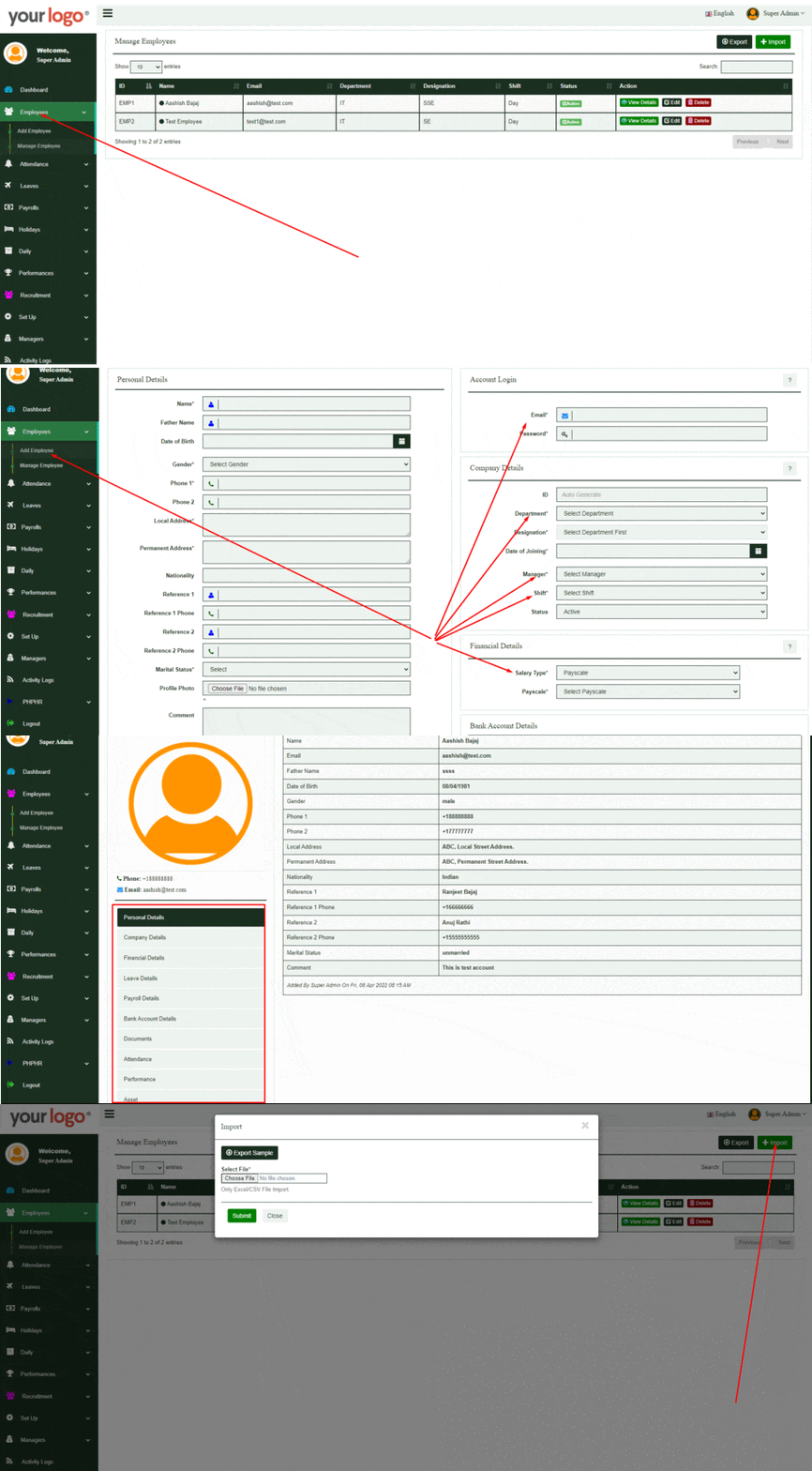
Fixed employee salary software is a tool used by organizations to automate the process of calculating, processing, and distributing fixed monthly salaries to employees. The software calculates salaries based on pre-set data, such as employee positions, pay scales, and tax deductions. Fixed salaries are defined as salaries that remain constant each pay period, unlike variable salaries that may fluctuate based on overtime, commissions, or bonuses.
This software is equipped with various features that allow HR teams to handle payroll processing efficiently, providing greater accuracy, time savings, and ensuring that employees are compensated fairly and consistently. It is especially beneficial for businesses that pay a fixed salary to their employees on a regular basis.
Key Features of Fixed Employee Salary Software
Salary Calculation Automation
One of the primary features of fixed employee salary software is its ability to automatically calculate salaries. By inputting the salary structures, bonuses, allowances, and deductions for each employee, the software can generate accurate salary amounts for each pay cycle. This minimizes manual errors and speeds up the payroll process.
Tax and Deduction Management
The software helps manage various statutory deductions, such as income tax, provident fund (PF), professional tax, and other company-specific deductions. It can automatically calculate the tax liabilities and deductions based on local regulations, ensuring that the payroll complies with government policies.
Compliance with Labor Laws
Payroll management is subject to various labor laws that differ from country to country, and even region to region. Fixed employee salary software ensures compliance with these laws by staying up-to-date with any changes in tax codes, minimum wage standards, and other regulations. This reduces the risk of legal issues arising due to non-compliance.
Payslip Generation
The software can automatically generate payslips for each employee. These payslips can be personalized to include details such as the employee’s basic salary, allowances, deductions, net salary, and tax details. Employees can access their payslips digitally, reducing paperwork and enhancing transparency.
Employee Self-Service Portal
Many fixed employee salary software solutions come with an employee self-service portal. Employees can log in to view their salary details, download payslips, update personal information, and check their leave balances. This reduces the administrative burden on HR departments and improves employee engagement.
Bank Integration
Some software offers bank integration features that allow the direct transfer of salary payments to employees’ bank accounts. This eliminates the need for manual salary distribution and reduces the chances of errors or delays in payments. The system can also generate bank reports for reconciliation.
Leave and Attendance Management
Leave management and attendance tracking are vital components of payroll management. Fixed salary software often integrates leave and attendance data with the payroll system to ensure that employees are paid accurately based on their attendance record. The software can automatically deduct leave days or account for any unpaid leave.
Reports and Analytics
A good fixed salary software system offers detailed reports and analytics to help employers understand the payroll process better. Reports can include employee salary data, tax information, payment histories, and more. These reports are crucial for internal audits and for decision-making purposes.
Security Features
As payroll involves sensitive financial data, the software prioritizes data security. It typically includes encryption, access controls, and audit logs to protect employee data and prevent unauthorized access. This ensures that sensitive payroll information is safeguarded.
Time-Saving and Efficiency
Manual payroll processing is time-consuming, especially when dealing with a large number of employees. Fixed employee salary software automates many of these tasks, significantly reducing the time and effort needed for payroll processing. This allows HR teams to focus on more strategic tasks, such as employee engagement and recruitment.
Accuracy and Error Reduction
Payroll mistakes can lead to employee dissatisfaction and potential legal consequences. Fixed salary software reduces human error in calculations, ensuring that employees are paid the correct amount each month. By automating tax calculations and deductions, the software also minimizes mistakes that could occur when processing manual calculations.
Scalability
As your business grows, so does the complexity of payroll management. Fixed employee salary software can easily scale to accommodate more employees, new salary structures, and updated compliance requirements. This makes it an ideal solution for businesses that are expanding or have fluctuating workforce sizes.
Enhanced Compliance
Complying with tax laws and labor regulations is crucial for businesses to avoid legal issues and fines. Fixed salary software helps ensure compliance with tax codes, deductions, and other payroll-related regulations by automatically calculating tax liabilities and generating compliant payslips. It also ensures that employees’ deductions and contributions are correctly managed.
Cost-Effective
Although some payroll software comes with a subscription fee, the long-term benefits outweigh the costs. The automation of payroll tasks reduces the need for additional personnel or outsourcing payroll functions. This can result in significant cost savings for businesses, especially those with a growing workforce.
Transparency and Employee Trust
The ability for employees to access their payslips and salary information via a self-service portal enhances transparency. Employees are more likely to trust a payroll system that offers full transparency regarding how their salary is calculated, deductions are made, and bonuses are granted. This can improve employee satisfaction and reduce payroll-related disputes.
Secure Data Management
Security is a top priority when dealing with payroll data. Fixed employee salary software uses encryption and secure authentication methods to protect sensitive employee data. With the increasing threats to data security, businesses can rely on this software to safeguard payroll information and prevent data breaches.
Here are some frequently asked questions (FAQs) related to fixed employee salary software:
What is fixed employee salary software?
Fixed employee salary software is a tool designed to automate the calculation, processing, and distribution of fixed monthly salaries to employees. It ensures accurate payroll processing, manages deductions, and generates payslips, making payroll management more efficient and less prone to errors.
How does fixed employee salary software work?
The software works by inputting fixed salary structures for each employee, including base salary, allowances, and deductions. It automatically calculates the net salary after accounting for taxes, benefits, and other deductions. The software can generate payslips and even integrate with banking systems for direct salary transfers.
What are the benefits of using fixed employee salary software?
The main benefits include time-saving through automation, reduced errors in payroll calculations, enhanced compliance with labor laws and tax regulations, improved transparency with employees, secure data management, and scalability to accommodate growing businesses.
Can the software handle tax deductions?
Yes, fixed employee salary software can automatically calculate tax deductions based on the applicable tax laws. It ensures that the necessary statutory deductions like income tax, provident fund, and professional tax are deducted from employees’ salaries as required by law.
Is fixed salary software secure?
Yes, security is a key feature of fixed employee salary software. The software uses encryption, secure user authentication, and access control measures to ensure that sensitive payroll data is protected from unauthorized access and cyber threats.
Can employees access their salary information?
Yes, many fixed employee salary software solutions offer a self-service portal where employees can access their salary information, view payslips, check tax details, and update personal information. This feature enhances transparency and reduces the administrative burden on HR departments.
How does fixed employee salary software handle overtime or bonuses?
Fixed employee salary software is primarily designed for fixed salary employees. However, some software solutions can also handle calculations for overtime, bonuses, or other variable compensation by allowing managers to input relevant data. The software will automatically include these adjustments in the final payroll calculation.
Is fixed salary software suitable for small businesses?
Yes, fixed employee salary software is suitable for businesses of all sizes, including small businesses. Many software solutions offer scalable features and affordable pricing for smaller organizations, allowing them to streamline their payroll management efficiently without the need for complex manual processes.
Can fixed employee salary software integrate with other business systems?
Yes, many fixed salary software solutions offer integration capabilities with other business systems such as accounting software, time and attendance management tools, and HR management platforms. This ensures seamless data flow and reduces the need for duplicate data entry.
How do I choose the right fixed employee salary software for my business?
When choosing fixed salary software, consider the size of your organization, the features you need (such as tax management, payslip generation, and employee self-service), scalability for future growth, integration capabilities, ease of use, and the level of customer support offered by the provider.
Is it difficult to implement fixed employee salary software?
The implementation process varies depending on the complexity of the software and the size of your business. Many fixed salary software solutions are designed to be user-friendly and come with support for onboarding. For larger organizations or those with complex payroll needs, the provider may offer dedicated implementation assistance.
How often does fixed employee salary software need to be updated?
Fixed salary software typically updates automatically to ensure compliance with changes in tax laws and regulations. However, it’s important to regularly check for software updates, especially for any new features, bug fixes, or security patches that may be released.
Can fixed employee salary software handle multiple pay frequencies?
While fixed employee salary software is usually designed for monthly pay cycles, some solutions can handle other pay frequencies, such as weekly or bi-weekly payrolls. Ensure that the software you choose supports the pay frequency that aligns with your organization’s payroll policies.
What happens if there is a payroll error?
If there is a payroll error, fixed salary software usually allows you to make corrections easily. Most systems provide a way to adjust payments, update tax calculations, or reissue payslips. Some software also includes audit logs to track changes, helping HR teams identify where the error occurred.
Is fixed salary software cloud-based?
Many fixed employee salary software solutions are cloud-based, which allows for easier access, real-time updates, and collaboration. Cloud-based solutions typically offer greater flexibility and scalability compared to traditional on-premise systems, and they can be accessed from anywhere with an internet connection.
By addressing these frequently asked questions, businesses can better understand how fixed employee salary software works and how it can simplify payroll management, ensuring accuracy, compliance, and efficiency in salary administration.