Human Resource Management Software SystemHR Software2024-10-04T01:43:15+00:00
Human Resource Management Software System
Human resource management software system is a software application that supports many functions of a company’s human resources department, including benefits administration, payroll, recruiting, training, and performance review. It will support every part of your organization’s HR process. This includes aspects such as applicant management, employee management, payroll, benefits, timesheets, and compensation management.
What is Human Resource Management Software System
A human resources management system is a form of human resources software that combines a number of systems and processes to ensure the easy management of human resources, business processes and data. Human resources software is used by businesses to combine a number of necessary HR functions, such as storing employee data, managing payroll, recruitment, benefits administration, time and attendance, employee performance management, and tracking competency and training records.
Importance of Human Resource Management Software System
A Human Resource System to an organization modern business practice requires an integrated human resource system to replace manual processes for the operational control of employee relations. This has resulted in reduced labor requirements and administrative processes. It is a collective term for all the formal systems created to help in managing employees and other stakeholders. It motivates workers so that they can accomplish the goals of the organization. It establishes a mechanism for the administration of personnel services delegated to the personnel department.
In today’s dynamic business environment, Human Resource Management Software (HRMS) systems have become a necessity for efficiently managing an organization’s workforce. These systems streamline various HR functions, from recruitment and onboarding to performance management, payroll, and employee engagement. By automating routine HR tasks, HRMS not only enhances productivity but also allows HR professionals to focus on strategic initiatives that drive business growth.
What is an HRMS?
A Human Resource Management Software system is an integrated suite of digital tools designed to manage the complete employee lifecycle within an organization. It handles core HR functions such as hiring, training, payroll, benefits administration, performance tracking, and compliance management. HRMS offers a centralized platform that ensures seamless data management and real-time reporting, leading to better decision-making.
Key Benefits of HRMS
Automated HR Processes: HRMS automates repetitive tasks like attendance tracking, leave management, payroll processing, and compliance reporting. This reduces manual errors and saves time for HR professionals, allowing them to focus on more value-added activities.
Centralized Data Management: All employee information is stored in a centralized database, providing HR teams with easy access to data and reducing the time spent searching through multiple files or systems.
Enhanced Employee Engagement: With self-service portals, employees can update their personal information, apply for leave, view pay slips, and track their own performance. This level of autonomy fosters a more engaged and empowered workforce.
Improved Compliance: HRMS ensures compliance with labor laws and regulations by automatically updating rules related to tax deductions, overtime, and employee benefits. This minimizes the risk of penalties due to non-compliance.
Accurate Payroll Management: HRMS integrates attendance and leave data with payroll, ensuring accurate salary calculations and timely disbursement of wages. The system can also handle tax calculations, bonuses, and reimbursements, simplifying the payroll process.
Data-Driven Decision-Making: The system generates reports on key HR metrics, such as turnover rates, absenteeism, and employee performance, providing management with actionable insights for making strategic decisions.
Key Features of an HRMS
Recruitment and Onboarding: HRMS solutions streamline the recruitment process by automating job posting, resume screening, and candidate tracking. Once hired, employees can be onboarded through digital workflows that ensure a smooth transition.
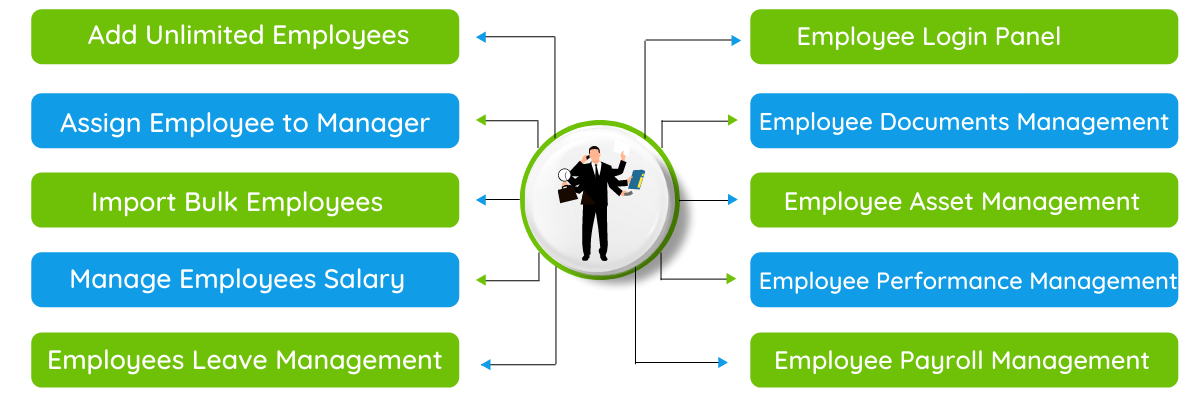
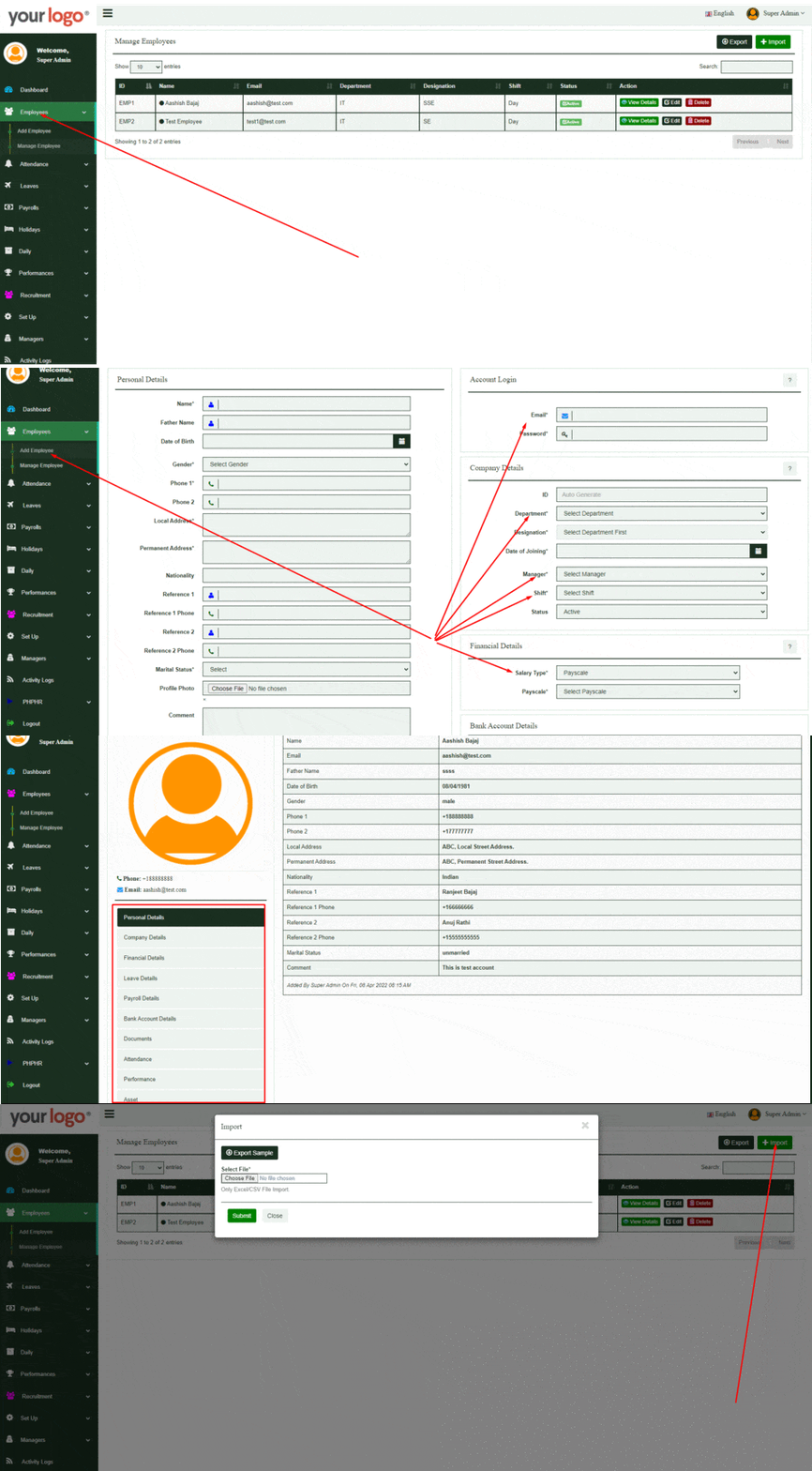
Employee Database Management: The system maintains detailed employee records, including personal information, job history, performance reviews, and benefits. This data is easily accessible and can be updated in real-time.
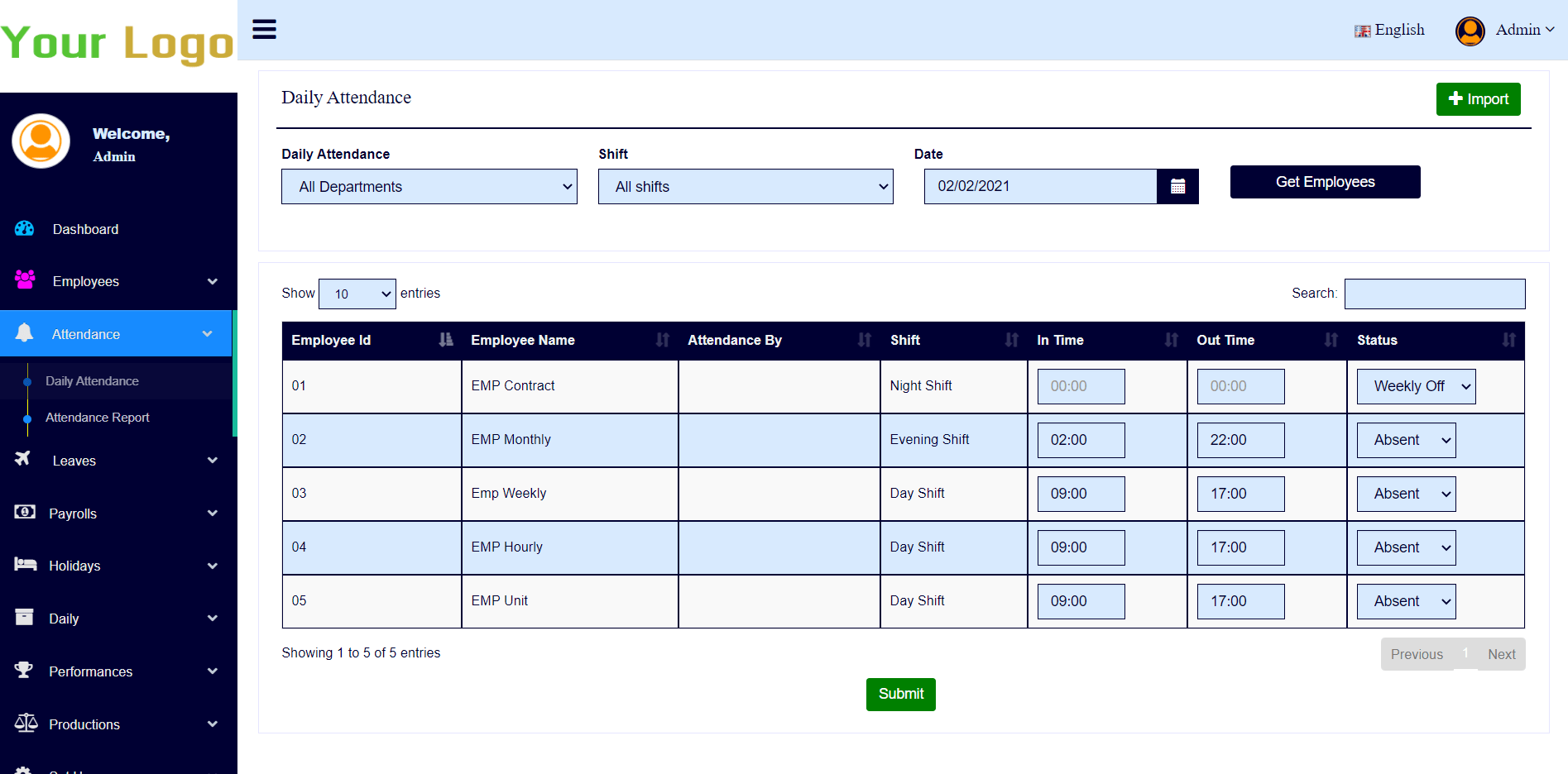
Attendance and Leave Management: HRMS tracks employee attendance, leave applications, and approvals, ensuring transparency and accuracy in time management. Automated leave tracking helps avoid scheduling conflicts and ensures that leave policies are adhered to.
Performance Management: HRMS allows managers to set performance goals, track progress, and conduct performance appraisals. This helps ensure that employees are aligned with organizational objectives and facilitates continuous feedback and improvement.
Payroll and Benefits Administration: The system calculates salaries, bonuses, deductions, and taxes, ensuring that payroll is processed accurately. It also manages employee benefits such as health insurance, retirement plans, and other perks, making sure they are administered fairly.
Employee Self-Service Portal: Employees can access a self-service portal to view personal details, apply for leave, access payslips, and update contact information. This reduces the administrative workload on HR and provides employees with greater control over their information.
Learning and Development: HRMS systems often include modules for managing employee training and development programs. HR teams can schedule training sessions, track employee progress, and assess the effectiveness of development initiatives.
Compliance Management: The system helps businesses stay compliant with local labor laws and regulations by automatically updating tax laws, labor policies, and mandatory filings. This minimizes the risk of compliance-related issues.
Reporting and Analytics: HRMS provides real-time reports on various HR functions, such as hiring trends, employee turnover, and performance metrics. These insights help HR professionals make data-driven decisions and improve overall workforce management.
Advantages of Implementing HRMS
Increased Efficiency: By automating repetitive HR tasks, HRMS significantly reduces the time spent on administrative work, leading to increased operational efficiency.
Cost Savings: Streamlining HR processes reduces administrative costs and minimizes the need for additional HR personnel, resulting in long-term cost savings for the organization.
Scalability: HRMS systems are scalable, making them ideal for businesses of all sizes. As your organization grows, the system can handle increasing data volumes and more complex HR processes without needing significant upgrades.
Improved Employee Retention: By offering tools for performance management, employee engagement, and career development, HRMS helps create a positive work environment, leading to higher employee retention.
Data Security: HRMS solutions come with robust security features, ensuring that sensitive employee information is protected against unauthorized access and data breaches.
Best Practices for Implementing HRMS
Identify Key HR Needs: Before implementing an HRMS, identify the key HR functions that need automation. This will help in selecting a system that aligns with your organization’s goals and HR processes.
Employee Involvement: Involve employees in the process by providing training and ensuring they understand how to use the system effectively. Employee buy-in is crucial for the smooth adoption of HRMS.
Customization: Ensure that the HRMS is customizable to meet the unique requirements of your organization. Customization allows businesses to adapt the system to their specific HR policies, workflows, and reporting needs.
Integration with Other Systems: For maximum efficiency, ensure that the HRMS can integrate with other business systems, such as accounting or project management software. This ensures smooth data flow between different departments.
Continuous Improvement: Regularly review the system’s performance and gather feedback from employees to identify areas for improvement. Continuous updates and improvements will help the HRMS adapt to the evolving needs of your organization.
Human Resource Management Software System Free Download
Human resource management software system is free to download. It includes basic HR functions, such as benefits administration, compensation management, and personnel tracking, but usually does not include more advanced functions like talent management, on-boarding, or analytics reporting. It saves you time and take less efforts.
Open Source Human Resource Management Software System– Online Human Resource Management Software System
Human resource management software is an open source software and its source code is available for download. It is a free and open source HR software that offers a wealth of modules to suit the needs of your business. Free HR Software widely-used HR management system is feature-rich, intuitive and provides an essential HR management platform along with free documentation and access to a broad community of users.
An online human resources management software system is a software application that supports many functions of a company’s human resources department, including benefits administration, payroll, recruiting, training, and performance review. It ensures everyday human resources processes are manageable and easy to access.
Online Human Resource Management Software System– Best Human Resource Management Software System
Online human resources management software system is a software program that helps human resources employees and managers improve their productivity. The software also helps employees and managers improve the results of their efforts. A huge benefit of human resource management software system is that recurring tasks can be expedited with automation. It enables users to efficiently manage, automate, and streamline HR-related tasks such as payroll, recruiting, compliance, and benefits.
The best human resources management software system is a powerful, yet simple, free and open source Human Resource management software tool that can help HR leaders to manage employee recruitment and engagement efficiently. The software has some of the finest modules. The free and open source version has limitations in terms of access to the entire modules. It allow companies to focus on people management by streamlining all workforce software into one business intelligent solution.
A Human Resource Management Software system is essential for organizations aiming to streamline their HR operations and improve overall workforce management. By automating HR tasks, ensuring compliance, and providing valuable insights through analytics, HRMS empowers businesses to create a more efficient, productive, and engaged workforce. Whether you’re a small business or a large enterprise, investing in a reliable HRMS will bring long-term benefits in terms of cost savings, improved employee satisfaction, and data-driven decision-making.