Discover the best HRIS systems for streamlining employee data, payroll, recruitment, and performance management. Learn how HRIS solutions like PHP HR can optimize your HR processes.
Best human resource information software is a system used to collect and store data on an organization’s employees, like their name, address, age, salary, benefits, time and attendance, performance reviews, and more. This data is valuable input for data-driven decision-making in HR.
In most cases, an HRIS encompasses the basic functionalities needed for end-to-end Human Resources Management. It has a system for recruitment, performance management, learning & development, and more. An HRIS is also known as HRIS software. This is a bit confusing as it implies that different systems can have different software running on them.
Human resource information software handles all the company’s recruiting needs. It tracks candidate information and resumes, enables recruiters to match job openings to suitable candidates from the company’s application pool, and helps in guiding the hiring process.
PHP payroll automates the pay process of employees. Contractual data is often entered into this system – sometimes combined with time & attendance data – and at the end of the month, payment orders are created.
Best HRIS typically collects and manages employee data: names, addresses, Social Security numbers or equivalent identifiers, visa information, and records on dependents. HRIS also has functions for managing recruiting, applicant tracking, attendance, time management, performance appraisals, and benefits.
Human resource information systems allow small businesses to simplify HR processes. Tasks like employee onboarding, leave management, and benefits administration can be completed more quickly. This lets your HR employees get more done during their workdays.
PHP HR software provides a broad range of HR-related functionality. As businesses grow, the demand on their HR departments grows with them, and the many responsibilities of HR teams become difficult to handle without the help of a software solution. Because the role of an HR team is one with a lot of range, it often makes sense to have one tool which can handle many of the functions necessary rather than one tool for each function of an HR team.
HRIS software packages aren’t identical because companies aren’t identical. The HR needs of an international corporation and a local business with a dozen employees aren’t the same. A business with only a few employees may not need HRIS until it grows.
A Human Resources Information System (HRIS) is an integrated suite of software tools designed to streamline and automate HR tasks, such as recruiting, onboarding, payroll management, employee data management, performance tracking, and more. It acts as a centralized database that stores all employee-related information and simplifies HR workflows. In this article, we will explore the best HRIS systems available, offering features that make managing human resources easier and more efficient.
Key Features of a Human Resources Information System (HRIS)
Employee Data Management
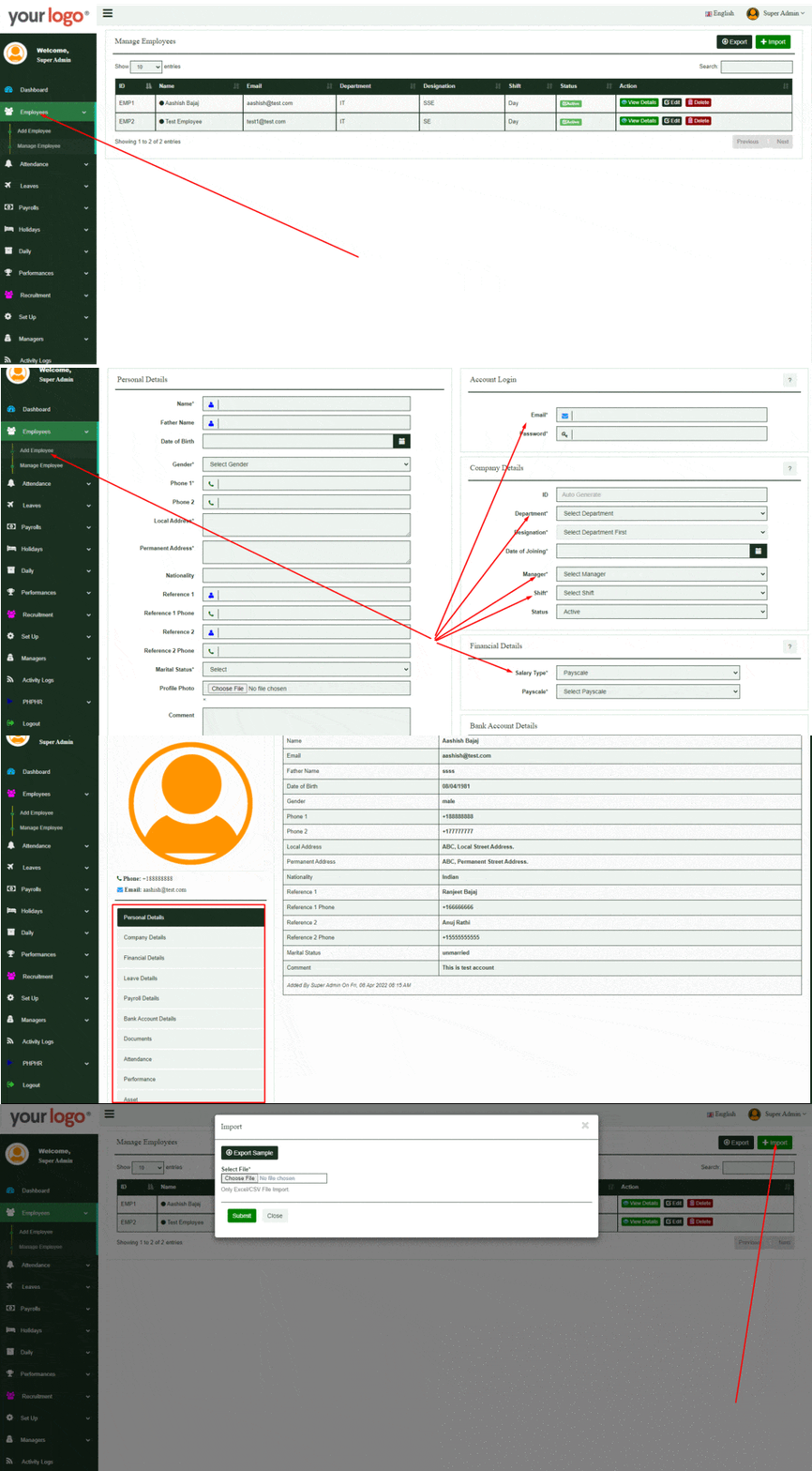
HRIS systems store and manage employee information, including personal details, job roles, compensation, and performance history. This centralized data repository makes it easy for HR teams to access accurate and up-to-date employee data.
Recruitment and Onboarding
Many HRIS systems feature built-in recruitment tools that allow businesses to post job openings, manage resumes, schedule interviews, and track candidates through the hiring process. Onboarding modules streamline the new hire process by providing a checklist and automating document submissions and training.
Payroll Management
HRIS platforms often integrate payroll management, ensuring that employees are paid on time and in accordance with company policies. They also handle tax calculations, deductions, and benefits enrollment, making payroll processing more efficient and reducing the risk of errors.
Time and Attendance Management
HRIS systems help track employee attendance and working hours. This feature ensures that time records are accurate, enabling seamless integration with payroll systems for efficient compensation. Leave management features are also included, allowing employees to request and track leave days.
Performance Management
Most HRIS platforms offer performance management tools, such as employee evaluations, feedback systems, and goal tracking. Managers can assess employee progress against predefined KPIs, provide feedback, and help employees set goals for development.
Training and Development
An HRIS often includes features for managing training programs, employee certifications, and professional development activities. By tracking employee progress, HR departments can ensure continuous learning and help align employee skills with organizational goals.
Compliance and Reporting
HRIS systems assist with compliance by keeping track of labor laws, tax regulations, and reporting requirements. Automated reporting features help HR teams generate reports on various metrics, such as employee attendance, performance, and diversity, aiding in audits and regulatory compliance.
Self-Service Portal
Many HRIS platforms provide a self-service portal for employees to update personal information, view payslips, request leave, and track their performance. This reduces administrative burdens and empowers employees to take ownership of their HR-related tasks.
Analytics and Reporting
HRIS systems generate real-time analytics and reports, providing HR teams with insights into workforce trends, turnover rates, and employee engagement. This data-driven approach enables better decision-making and helps optimize HR strategies.
Mobile Access
HRIS platforms are increasingly offering mobile-friendly interfaces or dedicated apps, enabling HR staff and employees to access the system remotely. This is especially beneficial for businesses with remote or field employees.
PHP HR
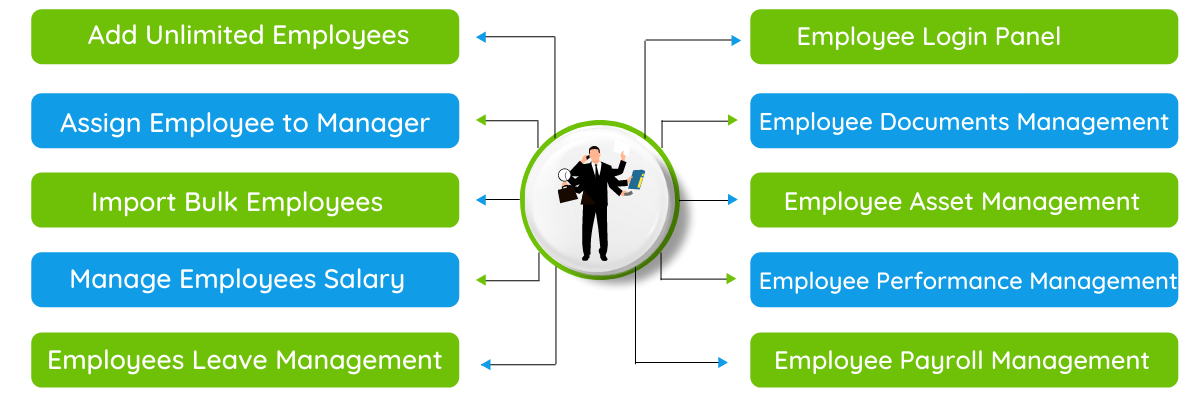
PHP HR is an open-source HRIS solution that provides a customizable and cost-effective platform for managing employee information, payroll, attendance, and performance. It’s an excellent choice for small to medium-sized businesses looking for flexibility and affordability. The platform offers essential features like employee data management, leave tracking, time and attendance management, and more, with the added benefit of being open-source. This makes it ideal for companies that want a solution tailored to their unique needs without the high cost associated with commercial HR software. The platform’s scalability ensures it can grow with the business, making it a long-term solution for efficient HR management.
Benefits of Implementing an HRIS
Streamlined HR Processes: Automates administrative tasks like payroll processing, employee records management, and recruitment, saving time and reducing human error.
Improved Data Accuracy: A centralized database reduces errors related to data entry and ensures employees’ information is accurate and up-to-date.
Enhanced Compliance: Helps businesses stay compliant with labor laws, tax regulations, and reporting requirements by automating and tracking necessary tasks.
Better Decision-Making: Data analytics and reporting features provide insights into workforce trends, allowing HR managers to make informed decisions about recruitment, employee development, and more.
Cost-Effective: By reducing administrative burdens, HRIS platforms allow businesses to reallocate resources and reduce operational costs.
FAQs: Best Human Resources Information System (HRIS)
What is an HRIS?
An HRIS (Human Resources Information System) is a software solution designed to manage and streamline various HR processes, such as employee data management, payroll, recruitment, performance evaluation, and compliance tracking. It serves as a centralized platform for storing employee-related information and automating routine HR tasks.
Why should my company use an HRIS?
An HRIS helps your company automate administrative HR tasks, improving efficiency, accuracy, and compliance. It reduces manual processes, minimizes errors, ensures better data security, and provides valuable insights into your workforce through analytics. It also supports better decision-making and enhances employee experience.
What are the key features of an HRIS?
Key features of an HRIS include:
Is PHP HR suitable for small businesses?
Yes, PHP HR is an ideal solution for small to medium-sized businesses. It is an open-source platform, making it cost-effective and customizable to meet the unique needs of smaller organizations. With features like employee data management, attendance tracking, and payroll management, it provides essential HR functions without the high cost of enterprise-level systems.
Can an HRIS integrate with other business systems?
Many HRIS platforms, including PHP HR, offer integration capabilities with other business systems such as accounting software, time tracking tools, and employee benefits platforms. This integration ensures seamless data flow between different systems and reduces the need for manual data entry.
How do I choose the best HRIS for my company?
To choose the best HRIS for your company, consider factors such as your company’s size, specific HR needs, budget, and scalability requirements. Look for a platform that offers the features you need, ease of use, integration options, and strong customer support. Free trials or demos can help you evaluate the system before making a decision.
Can PHP HR scale as my business grows?
Yes, PHP HR is scalable and can grow with your business. Since it is open-source, it can be customized and expanded with additional features as your workforce increases. This flexibility makes it a good long-term solution for growing companies.
Is PHP HR secure?
PHP HR offers security features to ensure the safety of your employee data. As an open-source platform, its security can be further enhanced by implementing best practices for data protection. It’s essential to regularly update and maintain the system to minimize security risks.
Selecting the best Human Resources Information System (HRIS) depends on your organization’s needs, size, and budget. Whether you’re a small business looking for an affordable solution like PHP HR or a large enterprise needing a robust system like Workday or SAP SuccessFactors, an HRIS is essential for streamlining HR processes, improving productivity, and ensuring compliance. By automating manual tasks and centralizing employee data, an HRIS helps businesses optimize their human resources management, allowing HR teams to focus on strategic initiatives that drive growth.