Employee documentation plays a pivotal role in the smooth functioning of any organization. It is not merely a compliance measure but also a way to establish trust, clarity, and alignment between the employer and the employee. Proper documentation ensures that all aspects of employment are transparent and legally compliant. This article delves into the essential employee documents required by companies, their importance, and best practices for maintaining them.
Why is Employee Documentation Important?
Employee documentation serves several critical purposes:
Legal Compliance: It ensures that the organization adheres to labor laws and avoids legal complications. Non-compliance can lead to penalties, fines, or lawsuits, making proper documentation essential for business continuity.
Employee Verification: Validates the identity and qualifications of employees to prevent fraud. This is particularly important in industries like banking, healthcare, and IT, where trust is paramount.
Smooth Onboarding: Facilitates a seamless onboarding process for new hires. Clear documentation helps new employees integrate quickly into their roles.
Financial Transactions: Supports accurate payroll processing and tax filing, ensuring no discrepancies in salary credit or deductions.
Record Keeping: Maintains detailed records for future reference, such as promotions, grievances, or terminations. Such records are invaluable during audits or legal disputes.
Transparency: Establishes clear communication about roles, responsibilities, and expectations. This helps build a positive work culture.
Types of Employee Documentation
Companies generally require a mix of personal, professional, and legal documents during the recruitment and onboarding process. Here is a detailed list:
Personal Identification Documents
These documents verify the identity of the employee and are mandatory for background checks and legal purposes:
Government-Issued ID: Examples include Aadhaar Card, Passport, Voter ID, or Driver’s License. These IDs are used to verify nationality, age, and identity.
PAN Card: Essential for tax-related transactions. Without a PAN card, employees may face higher tax deductions.
Passport-Sized Photographs: Typically required for ID cards, official records, and access badges. Companies often request multiple copies to ensure availability for various processes.
Proof of Address
Proof of address confirms the employee’s residential location. Common documents include:
Utility Bills (e.g., Electricity, Water, Gas): Ensure that the bills are recent, usually within the last three months.
Rent Agreement or Lease Deed: Often used for verifying temporary addresses in case of relocation.
Ration Card: Provides proof of permanent address, especially in rural areas.
Bank Passbook with Address: An alternative form of address proof, particularly useful for employees without utility bills.
Educational Documents
Educational certificates validate the qualifications and skills of the employee:
Academic Mark Sheets (10th, 12th, Graduation, Post-Graduation): These documents confirm the academic achievements and eligibility for the role.
Professional Certifications: Examples include certifications in programming (e.g., Java, Python), finance (e.g., CFA, CPA), or project management (e.g., PMP, PRINCE2).
Awards and Achievements: Employees may also provide proof of extracurricular achievements to showcase their holistic development.
Employment-Related Documents
Employment documents provide insight into the employee’s professional background and experience:
Relieving Letter: From the previous employer to confirm the end of prior employment. This letter ensures there are no ongoing obligations.
Experience Certificates: Detailing the roles and responsibilities handled, along with the duration of employment.
Salary Slips: Last 3 months’ salary slips to verify compensation. These documents are also essential for negotiating salary packages.
Appointment Letter: Offer letters from previous organizations to verify employment history and confirm job roles.
Financial and Tax Documents
Financial documents ensure smooth salary processing and tax compliance:
Bank Account Details: A cancelled cheque or a copy of the passbook for salary disbursal. This also confirms the account ownership.
Form 16: Provides a summary of the employee’s tax deductions in the previous organization. This document is crucial for income tax filing.
Income Tax Returns (ITR): Particularly useful for senior or managerial positions. Employers may request these to assess financial stability and tax compliance.
Health-related documents are often required to ensure that the employee is fit for the role:
Pre-Employment Medical Check-Up Report: Confirms the physical and mental fitness of the employee. This is particularly important for physically demanding roles or roles in hazardous environments.
Disability Certificate: If applicable, to provide necessary accommodations. Employers may also use this document to comply with diversity and inclusion policies.
Background Verification Documents
Background verification is an essential step in hiring to ensure the integrity of the candidate:
Police Clearance Certificate: Especially for roles requiring high levels of trust and security, such as in finance or childcare.
Reference Letters: Contact details of previous managers or colleagues for validation. Companies may conduct telephonic or written verification.
Legal and Compliance Documents
Legal documentation ensures that the employer and employee comply with labor laws and company policies:
Employment Agreement: Defines the terms of employment, roles, and responsibilities. This agreement often includes clauses on termination, notice periods, and non-compete terms.
Non-Disclosure Agreement (NDA): Ensures confidentiality of company information. NDAs are critical in industries dealing with sensitive data.
Work Visa or Permit: For international employees, ensuring legal authorization to work in the country.
ESIC and PF Details: Registration for Employee State Insurance and Provident Fund. These benefits are statutory requirements in many countries.
Company-Specific Documentation
Many organizations have additional requirements tailored to their specific needs:
Signed Code of Conduct or Employee Handbook acknowledgment. This ensures that employees are aware of company policies.
Training Certificates: Proof of participation in company training programs. These documents may also be used for performance reviews.
Asset Declaration Forms: For company-provided resources like laptops, phones, or vehicles. Employees are often required to sign agreements detailing the terms of use.
Best Practices for Managing Employee Documentation
Efficient management of employee documentation is critical for ensuring compliance and streamlining HR operations. Below are some best practices:
Digitization: Switch to digital storage to minimize physical paperwork and improve accessibility. Use secure cloud-based systems for storing and managing employee records. Popular tools include HR management software like BambooHR or Zoho People.
Compliance with Data Protection Laws: Ensure that all employee data is handled in compliance with local data protection regulations, such as GDPR or India’s Personal Data Protection Bill. Encrypt sensitive data and restrict access to authorized personnel only.
Regular Audits: Conduct periodic audits of employee records to ensure that all documents are up to date and accurate. This helps identify missing or outdated information.
Clear Policies: Establish clear policies and communicate the required documentation to employees at the time of hiring to avoid delays. Providing a checklist can significantly streamline the process.
Secure Disposal: When an employee leaves the organization, securely dispose of any unnecessary documents to protect their privacy. Use shredding or digital wiping methods to ensure data confidentiality.
FAQs
What is employee documentation, and why is it important?
Employee documentation refers to the collection of personal, professional, and legal records maintained by an organization for its employees. It ensures legal compliance, smooth onboarding, payroll accuracy, and transparency in roles and responsibilities.
Which documents are mandatory for every employee to submit?
Mandatory documents typically include government-issued IDs (e.g., Aadhaar Card, Passport), proof of address, PAN card, educational certificates, and bank account details. Additionally, employment agreements and medical fitness reports may also be required.
How are employee records stored securely?
Organizations use digital HR management systems, encrypted storage solutions, and restricted access protocols to store employee records securely. Physical records, if any, are kept in locked cabinets with limited access.
What happens if an employee cannot provide all the required documents immediately?
Most companies allow a grace period for employees to submit missing documents. However, certain critical documents, like identity proof, may be required before onboarding.
Are medical documents necessary for all roles?
Medical documents, such as pre-employment health check-ups, are typically required for roles involving physical labor, hazardous environments, or significant health risks. For desk jobs, such requirements may be minimal.
How often should employee documentation be updated?
Employee records should be reviewed and updated annually or whenever there is a significant change, such as a promotion, address change, or marital status update.
What steps should companies take to ensure compliance with data protection laws?
Companies must encrypt sensitive data, limit access to authorized personnel, implement secure login protocols, and ensure compliance with local data protection regulations like GDPR or the Indian Data Protection Act.
Is it mandatory to provide a relieving letter when leaving a company?
Yes, a relieving letter is essential for employees leaving a company. It acts as proof of completion of duties and no outstanding obligations with the previous employer.
Can employees access their own records?
Most organizations allow employees to access their records upon request. This ensures transparency and allows employees to verify or update their information as needed.
What are the consequences of incomplete or inaccurate documentation?
Incomplete or inaccurate documentation can lead to legal issues, payroll errors, or delays in employee benefits. For the company, it can result in non-compliance penalties.
What documents are required for international employees?
International employees typically need a valid work visa or permit, passport, and sometimes additional health or insurance documents, depending on local regulations.
Why is proof of address important during onboarding?
Proof of address helps confirm the employee’s residential location, which is crucial for legal and communication purposes.
What is the role of background verification in employee documentation?
Background verification ensures the authenticity of an employee’s identity, qualifications, and work experience, reducing the risk of fraud.
Can an employee update their bank account details after joining?
Yes, employees can update their bank account details with proper documentation, such as a cancelled cheque or passbook copy.
What is the significance of Form 16 in employee documentation?
Form 16 provides a summary of tax deductions made by the employer and is essential for income tax filing by the employee.
Are training certificates considered part of employee documentation?
Yes, training certificates may be included to showcase skills acquired through company-provided programs. They are also helpful during appraisals.
How long are employee records retained by companies?
Employee records are typically retained for several years after the employee leaves the organization, as per local labor laws and company policies.
What should employees do if they lose an important document?
Employees should inform the HR department and provide alternate documents or obtain duplicates from the issuing authority.
Is it necessary to notarize documents submitted to the company?
Notarization may be required for specific documents like affidavits or legal agreements, depending on company policies.
What documents are needed for registering under employee benefits like ESIC and PF?
Documents like Aadhaar Card, PAN Card, and bank account details are typically required for registering under employee benefits schemes like ESIC and Provident Fund.
What measures can companies take to streamline the documentation process?
Companies can provide a checklist of required documents, use digital forms, and ensure effective communication during onboarding to streamline the documentation process.
Employee Document Management Software
Why PHP HR Stands Out
Managing employee documentation efficiently is crucial for the smooth operation of any organization. As businesses grow, handling vast amounts of employee-related paperwork manually becomes cumbersome, time-consuming, and error-prone. Document management software (DMS) addresses these challenges by providing a centralized, secure, and automated system to store, manage, and retrieve employee documents seamlessly.
Employee Document Management Software is a digital tool designed to organize and manage employee-related documents such as contracts, tax forms, certificates, and compliance records. It ensures secure storage, easy accessibility, and compliance with legal and organizational requirements.
A good DMS should provide features like:
Centralized digital storage for documents.
Advanced search and retrieval capabilities.
Secure data encryption and access control.
Automated workflows for document approvals and updates.
Notifications for document expiry or renewal.
These features not only enhance operational efficiency but also reduce the risk of losing critical documents or missing compliance deadlines.
Why Choose PHP HR for Employee Document Management?
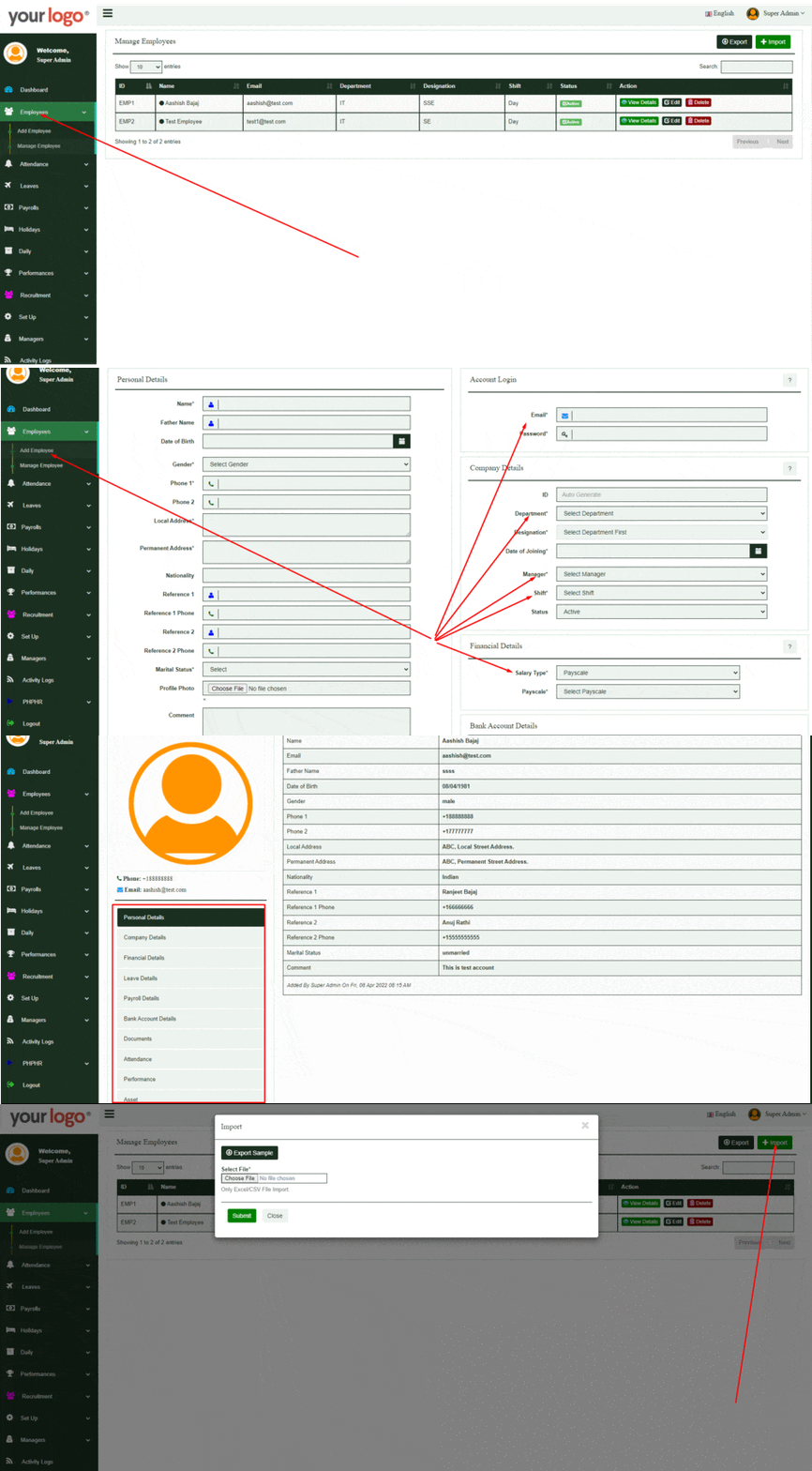
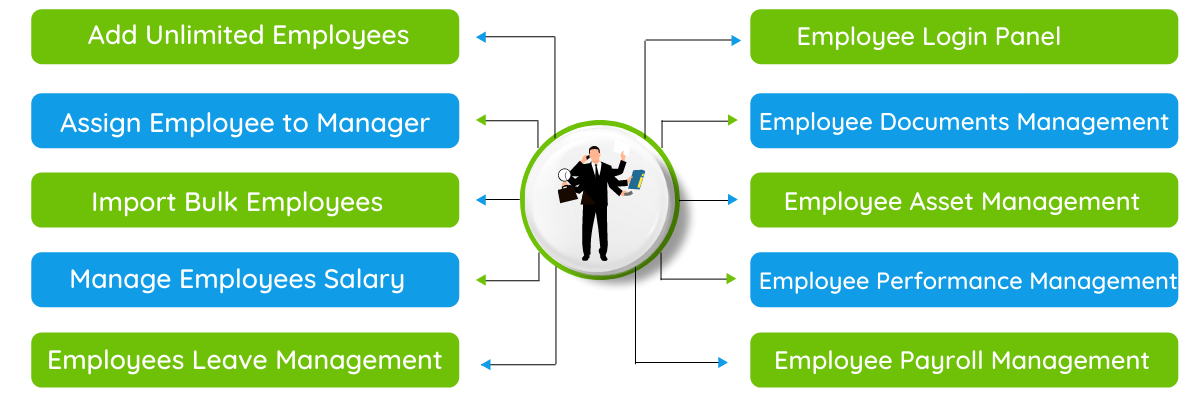
PHP HR is a robust and user-friendly employee document management software that simplifies the way companies handle employee records. Tailored for businesses of all sizes, PHP HR offers a comprehensive set of features that make it the best choice for managing employee documentation.
Key Features of PHP HR
Centralized Document Repository: PHP HR allows organizations to store all employee documents in one secure location, ensuring quick access and reducing dependency on physical storage.
User-Friendly Interface: With its intuitive design, PHP HR makes it easy for HR professionals and employees to upload, access, and manage documents with minimal training.
Secure Data Management: PHP HR employs advanced encryption methods to safeguard sensitive employee information. Role-based access ensures that only authorized personnel can view or modify documents.
Automated Workflows: The software streamlines document approval processes and sends automated notifications for document expiry, renewals, or updates, ensuring compliance at all times.
Customizable Solutions: PHP HR can be tailored to meet the specific needs of different industries, making it highly versatile and scalable.
Integration Capabilities: It integrates seamlessly with other HR tools, payroll systems, and compliance software, ensuring a unified approach to employee management.
How PHP HR Benefits Your Organization
Efficiency: Automates manual processes, saving time and effort.
Cost-Effective: Reduces the need for physical storage and administrative overhead.
Compliance: Ensures adherence to legal requirements and company policies.
Employee Satisfaction: Provides employees with easy access to their documents.
Experience the power of PHP HR by downloading the software or exploring its demo:
PHP HR’s demo offers a firsthand look at its functionalities, allowing businesses to understand how it can revolutionize their document management processes.
Effective employee documentation plays a crucial role in maintaining a well-organized and compliant workplace. It ensures that important information regarding employment history, performance, training, and compliance is easily accessible and can be referenced when necessary. By maintaining accurate and thorough records, employers can protect their organizations from potential legal issues, streamline HR processes, and foster a positive working environment. The use of a reliable software solution like the PHP HR Document Management Tool, which is one of the best employee document management systems, can further enhance the efficiency and security of managing employee data. Regular updates and adherence to legal and organizational standards will further enhance the value of employee documentation. In conclusion, comprehensive employee records, supported by powerful tools like PHP HR Document Management software, are an essential asset for managing and supporting both individual and organizational growth.