An Employee Document Management System (EDMS) in PHP streamlines the storage, management, and retrieval of employee documents. It offers features like secure authentication, file uploads, role-based access, and search functionality. Using PHP and MySQL, organizations can create a centralized, scalable, and secure solution to enhance efficiency and ensure data integrity.
In today’s digital age, managing employee documents efficiently is crucial for organizations. An Employee Document Management System (EDMS) streamlines this process by enabling secure storage, retrieval, and management of employee-related documents. Developing such a system using PHP, a widely-used server-side scripting language, is both cost-effective and scalable.
Why Build an EDMS?
An Employee Document Management System offers several benefits:
Centralized Document Storage: Eliminates the need for physical files and allows easy access to employee documents.
Improved Efficiency: Speeds up processes like onboarding, appraisals, and compliance checks.
Enhanced Security: Protects sensitive documents with user-based access controls.
Search and Retrieval: Simplifies finding documents using filters like employee name, ID, or document type.
Core Features
A robust EDMS in PHP should include the following features:
User Authentication: Secure login for administrators and employees.
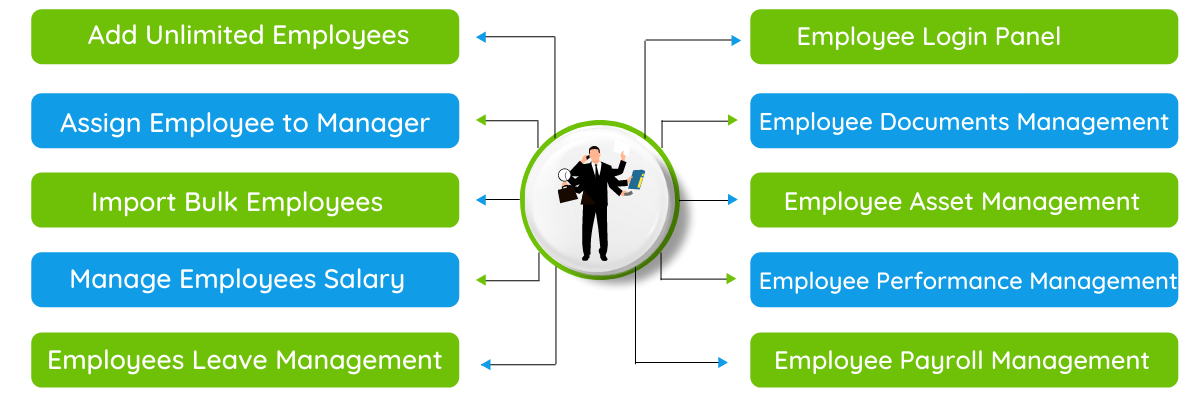
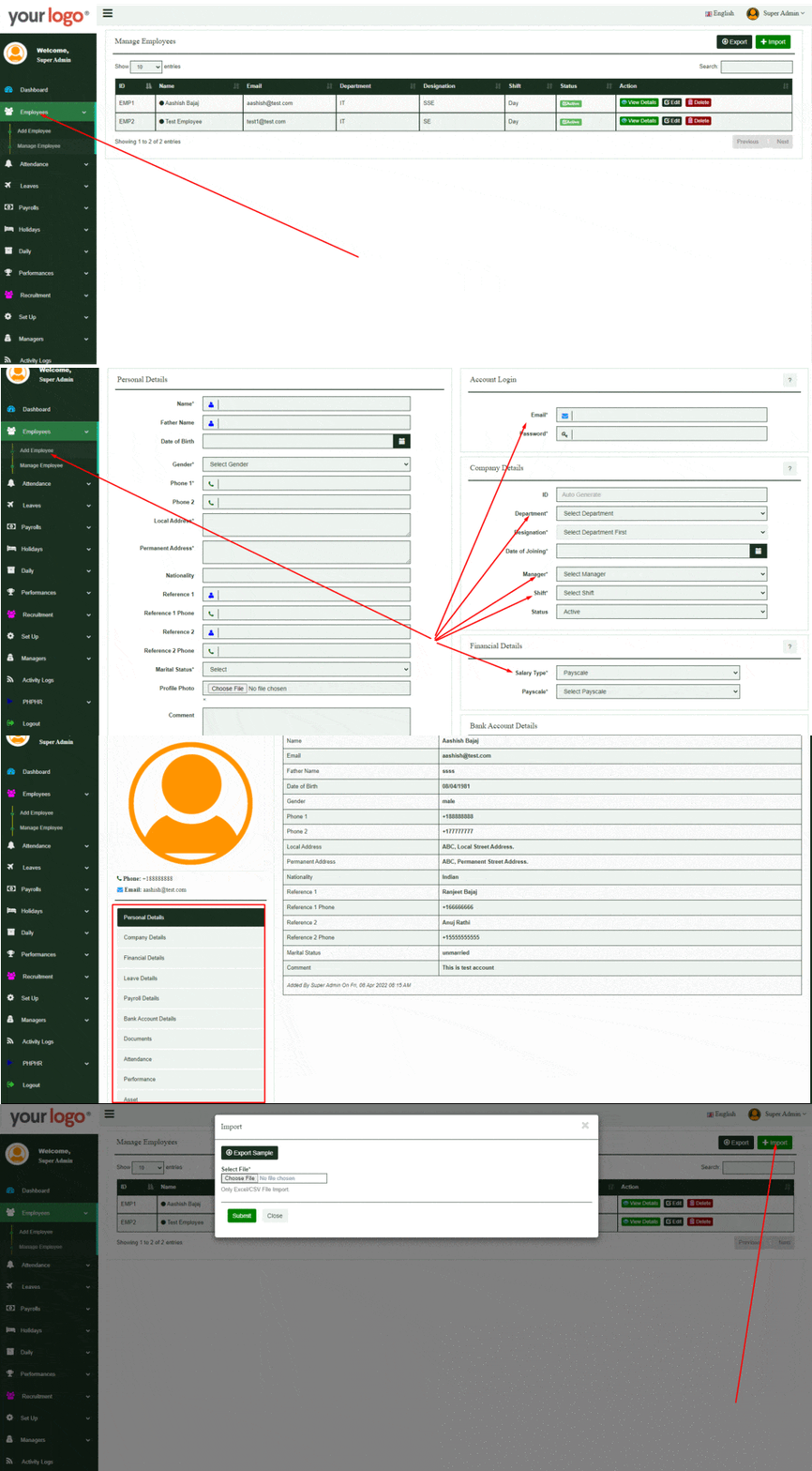
Document Upload and Management: Employees and HR staff can upload and manage documents such as resumes, certificates, and contracts.
Role-Based Access Control: Admins can view all documents, while employees can only access their own.
Search and Filter: Quickly locate documents based on employee ID, name, or type.
Secure Storage: Files are stored securely on the server, with access restricted based on roles.
Technical Requirements
PHP and MySQL: PHP handles server-side logic, while MySQL stores employee and document data.
HTML/CSS and JavaScript: For building a user-friendly interface.
File Upload Handling: Use PHP’s move_uploaded_file() function to securely upload files to the server.
Libraries: Employ libraries like PHPMailer for email notifications and Bootstrap for responsive design.
Employees Table: Stores employee details like ID, name, email, and hashed passwords.
Documents Table: Stores document details such as employee ID, file name, file path, and upload date.
Implementation Steps
Setup Environment: Install a local server like XAMPP or WAMP and configure PHP and MySQL.
Create Database: Define the employees and documents tables in MySQL.
Build Login System: Develop a secure authentication mechanism using hashed passwords.
Document Upload Feature: Create a form for file uploads and validate file types (e.g., PDFs, images).
Role-Based Access: Use PHP sessions to enforce user roles and permissions.
Search and Filter: Implement SQL queries to search documents by employee name, ID, or category.
Security Measures: Validate user inputs, restrict file types, and sanitize file paths to prevent attacks.
Here are some frequently asked questions (FAQs) about an Employee Document Management System (EDMS) in PHP:
What is an Employee Document Management System?
An Employee Document Management System (EDMS) is a software solution that helps organizations store, organize, and manage employee-related documents securely in a centralized database.
Why use PHP for developing an EDMS?
PHP is widely used for web development due to its simplicity, cost-effectiveness, and compatibility with various databases like MySQL. It is ideal for creating scalable and secure applications like an EDMS.
What features should an EDMS include?
Secure user authentication, document upload and categorization, role-based access control, search and filter options, secure file storage and retrieval, and activity logs and reporting.
How are documents stored in an EDMS?
Documents are uploaded via a secure form, validated, and stored on the server. File paths and metadata (e.g., document type, employee ID) are saved in a database for easy access.
What security measures are essential in an EDMS?
Encrypt sensitive data like passwords, validate and sanitize file inputs, restrict file types and size, implement HTTPS for secure data transmission, and use role-based permissions to control access.
Can the system handle multiple document types?
Yes, an EDMS in PHP can support various file types, such as PDFs, Word documents, and images. Validation ensures only allowed file types are uploaded.
How is user access controlled?
Role-based access control ensures that administrators can view and manage all documents, while employees can only access their own files.
How is the search functionality implemented?
Search functionality is implemented using SQL queries to filter documents by parameters like employee ID, name, or document category.
Can the EDMS notify users about document updates?
Yes, using libraries like PHPMailer in PHP, the system can send email notifications to users about document uploads, expirations, or updates.
Is the system scalable for growing organizations?
Absolutely. With proper database optimization and modular code design, the EDMS can handle a growing number of employees and documents efficiently.
An Employee Document Management System (EDMS) built in PHP provides organizations with a centralized, efficient, and secure solution to handle employee documents. By incorporating features like secure authentication, role-based access control, document categorization, and search functionality, an EDMS simplifies administrative tasks and enhances productivity. PHP’s flexibility, ease of use, and compatibility with databases like MySQL make it an excellent choice for developing such systems. Whether for small businesses or large enterprises, an EDMS ensures data integrity, saves time, and reduces paperwork, paving the way for seamless document management. Investing in a well-designed EDMS not only improves operational efficiency but also strengthens data security and compliance, making it a valuable tool for any organization.