Employee Profile Management in PHP streamlines employee data handling with features like CRUD operations, user authentication, and role-based access. Using PHP and MySQL, it offers an efficient way to store, update, and display employee details. This scalable solution ensures secure data management, aiding HR processes and enhancing organizational productivity.
Managing employee profiles is an essential part of modern HR systems, streamlining the organization and accessibility of employee data. By utilizing PHP, a powerful and flexible server-side scripting language, organizations can build efficient and scalable solutions for handling employee records and processes.
Key Features of Employee Profile Management Systems
User Authentication: Secure login systems to ensure only authorized access.
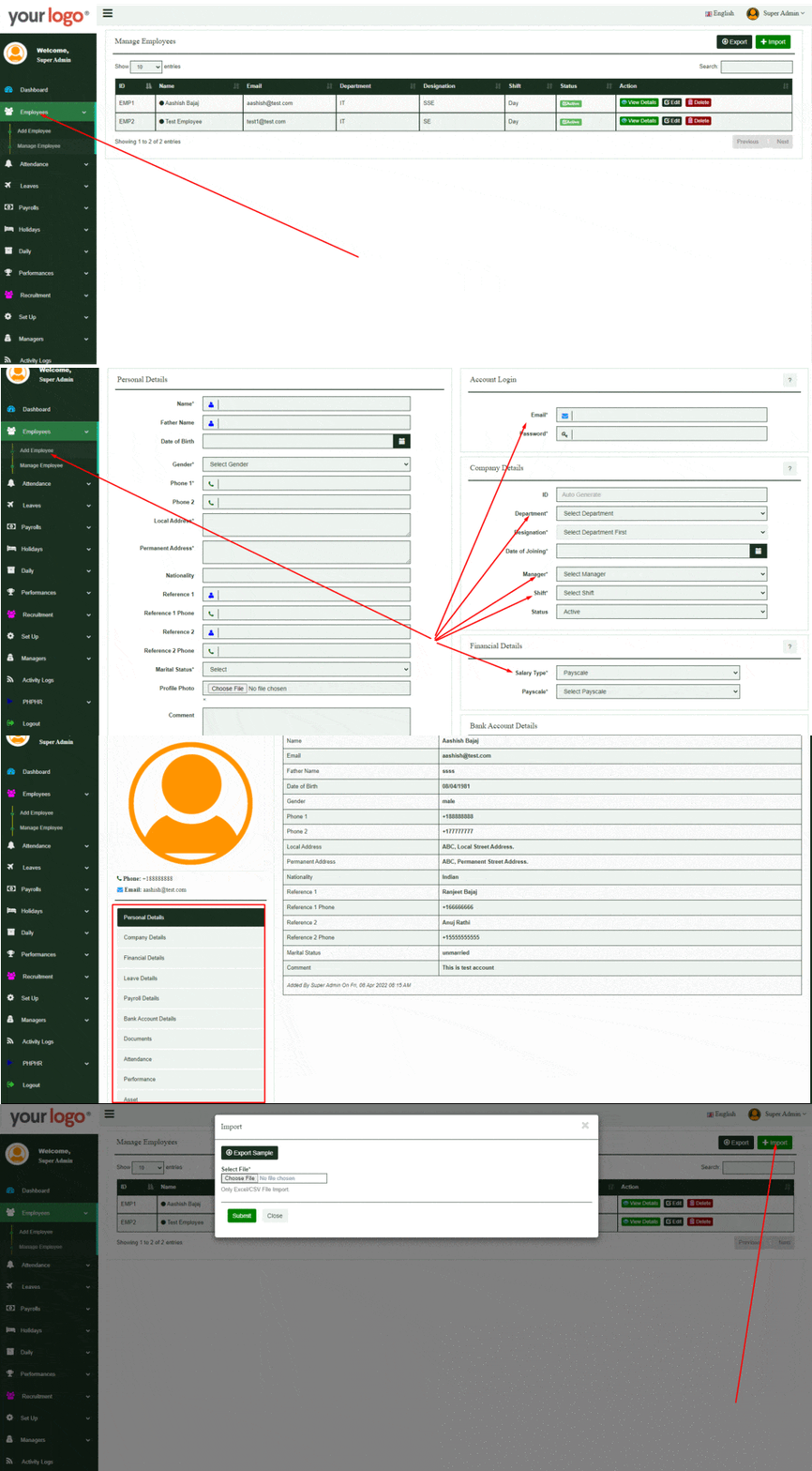
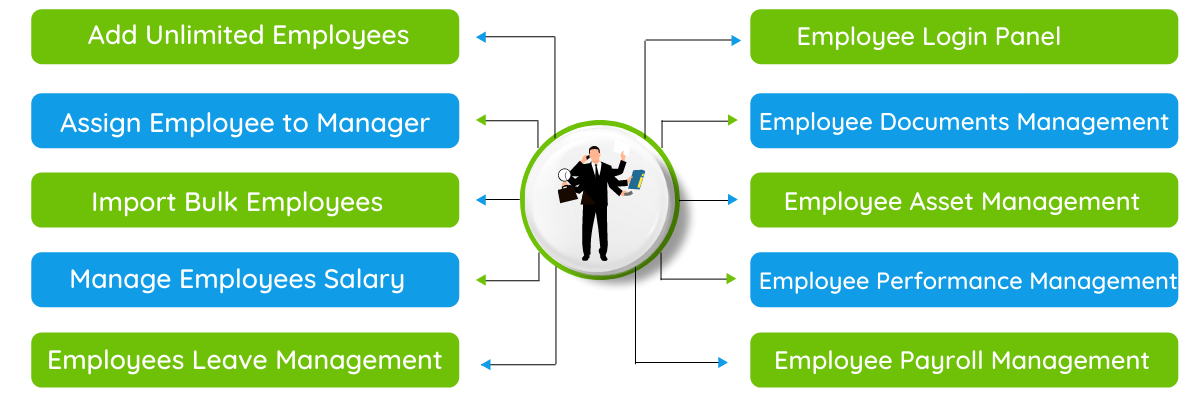
CRUD Operations: Ability to create, read, update, and delete employee profiles.
Employee Details: Comprehensive fields for personal, professional, and contact information.
Search and Filter Options: Quick and dynamic search functionality for employee records.
File Upload Capability: Manage employee documents such as resumes, ID proofs, and profile photos.
Role-Based Access Control: Different access permissions for administrators, HR personnel, and employees.
Benefits of Using PHP for Employee Management
Flexibility: PHP allows customization based on specific organizational needs.
Cost-Effectiveness: Being open-source, PHP reduces development costs.
Database Integration: Seamless connectivity with databases like MySQL ensures efficient data handling.
Scalability: Ideal for organizations of all sizes, PHP applications can grow with the business.
User-Friendly Interfaces: With PHP, interactive and responsive designs can enhance usability.
Steps in Building a Management System
Define System Requirements: Outline the essential functionalities such as authentication, data management, and reporting tools.
Database Design: Create a relational database to store employee details efficiently.
Interface Development: Design user-friendly forms and dashboards for data input and display.
Implement Business Logic: Add features like sorting, filtering, and generating reports for better data utilization.
Testing and Deployment: Thoroughly test the application before deploying it for use in a live environment.
Advanced Security Measures: Ensure robust protection against data breaches and unauthorized access.
Integration with Other Systems: Sync the employee management system with payroll or performance review tools.
Mobile Access: Develop a mobile-friendly version for easy access on the go.
Data Export Features: Allow exporting employee data to formats like Excel or PDF for reporting purposes.
FAQs on Employee Profile Management in PHP
What is Employee Profile Management?
It is a system designed to manage employee data such as personal details, job roles, contact information, and performance records, enabling efficient HR operations.
Why use PHP for Employee Profile Management?
PHP is an open-source, versatile scripting language that integrates seamlessly with databases like MySQL. It is cost-effective, scalable, and ideal for creating dynamic web applications.
What are the main features of an employee profile management system?
User authentication and role-based access control
CRUD (Create, Read, Update, Delete) operations
Search and filter options
Document and profile picture uploads
Secure data storage and management
How does this system benefit organizations?
It streamlines HR processes, improves data accessibility, enhances productivity, and ensures secure handling of employee information.
Is it possible to add role-based access to the system?
Yes, you can implement role-based access control to assign different permissions to administrators, HR personnel, and employees.
Can the system be integrated with other tools?
Absolutely. The system can be integrated with payroll software, performance evaluation tools, and other HR-related platforms for seamless operations.
How secure is PHP for managing sensitive employee data?
When developed with best practices, such as using secure coding techniques, encrypted connections (SSL), and prepared SQL statements, PHP offers robust security for sensitive data.
Can this system handle large employee databases?
Yes, a PHP-based system can handle large amounts of data effectively, especially when optimized with indexing, caching, and efficient database queries.
Is it possible to generate reports using this system?
Yes, the system can include reporting features to generate summaries, employee performance analytics, or other custom reports in formats like Excel or PDF.
What are some future enhancements that can be added?
Mobile-friendly versions
Integration with cloud storage for backups
Advanced analytics and AI-based performance predictions
Multilingual support for global organizations
How much time does it take to develop such a system?
The development time depends on the complexity of features and the expertise of the development team. A basic system might take a few weeks, while a feature-rich application could take months.
Is the system scalable for growing organizations?
Yes, a well-designed PHP-based system can scale with the organization, allowing for the addition of more employees, features, and integrations over time.
Employee profile management in PHP offers a reliable and cost-effective solution for handling employee data efficiently. With features like secure access, CRUD operations, document management, and seamless database integration, it streamlines HR processes and enhances organizational productivity. PHP’s scalability ensures that the system can grow alongside the organization, making it suitable for businesses of all sizes. By adopting such a system, organizations can not only improve data management but also foster a more organized and efficient workplace.