Discover how an employee reimbursement system can enhance your organization’s expense management. Simplify the submission and approval process, integrate with accounting software, and gain insights into spending patterns for better financial oversight. Improve employee satisfaction and efficiency with a structured reimbursement solution.
The employee reimbursement system is the way businesses pay back their employees who have spent their own money on business-related expenses. While reimbursements for business travel is quite common, employees can also be reimbursed for education, healthcare, and other expenses incurred on behalf of the organization.
What is Employee Reimbursement System
The employee reimbursement process allows employers to pay back employees who have spent their own money for business-related expenses. When employees receive an expense reimbursement, typically they won’t be required to report such payments as wages or income.
Importance of Employee Reimbursement System
Employee reimbursement management automation is the means by which an organization can significantly reduce transaction costs and improve management control when logging, calculating and processing corporate expenses.
An employee reimbursement system is a critical tool for organizations looking to manage and streamline the process of reimbursing employees for out-of-pocket expenses incurred during the course of their work. This system ensures that employees are promptly compensated for expenses related to travel, supplies, meals, and other business-related costs, enhancing transparency and efficiency.
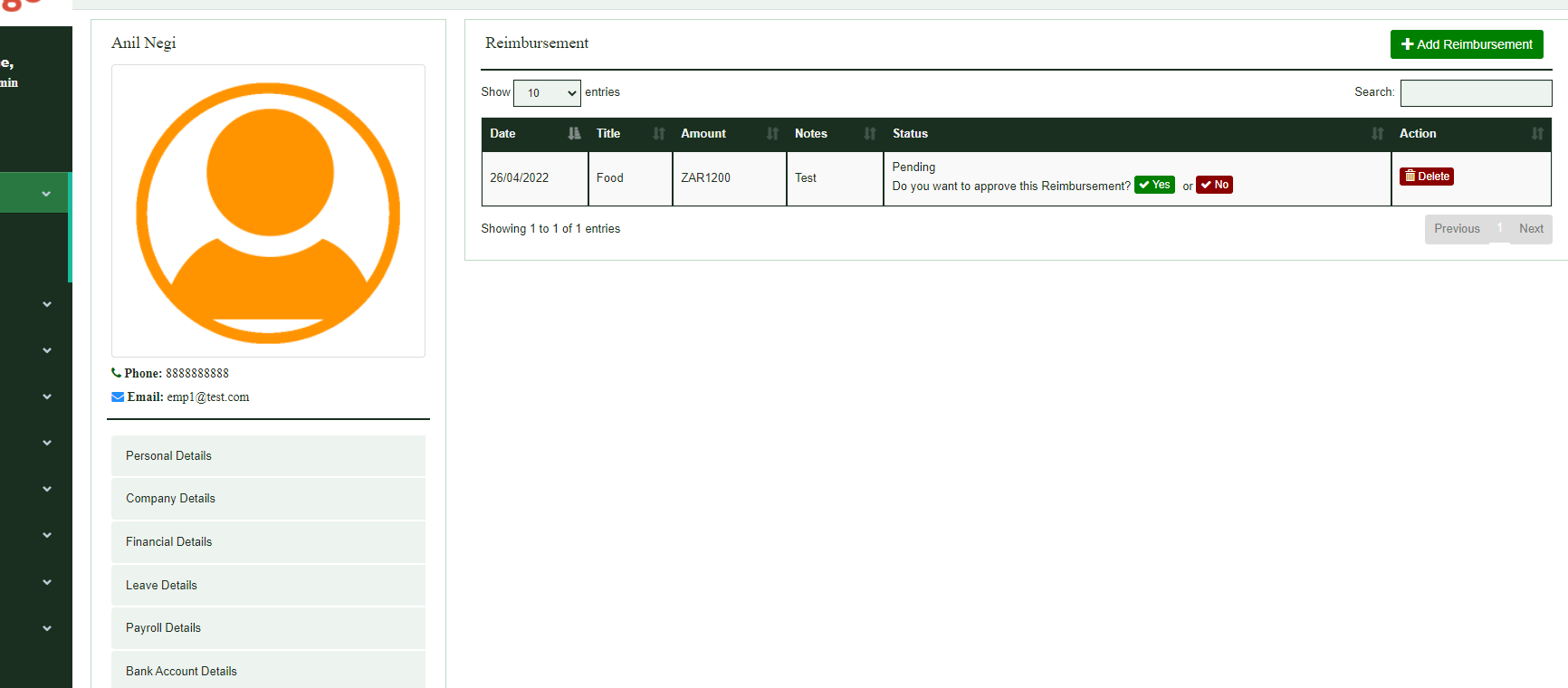
One of the key features of an employee reimbursement system is its user-friendly interface, which allows employees to easily submit reimbursement requests. Typically, employees can upload receipts, categorize expenses, and provide necessary details, such as the purpose of the expense and the date it was incurred. This streamlined process minimizes administrative burden and reduces the likelihood of errors.
The system also enables managers and finance teams to review, approve, or deny reimbursement requests efficiently. Automated workflows can be established to ensure that requests are routed to the appropriate approvers based on predefined criteria. This not only speeds up the approval process but also maintains accountability within the organization.
Another important aspect of an employee reimbursement system is its ability to integrate with existing accounting or payroll software. This integration ensures that approved reimbursements are accurately recorded in the organization’s financial systems, facilitating easier tracking of expenses and budget management.
Additionally, reporting and analytics capabilities provide valuable insights into employee spending patterns and reimbursement trends. Organizations can monitor overall expenses, identify areas for cost reduction, and ensure compliance with internal policies. This data-driven approach enhances financial oversight and allows for informed decision-making.
Employee Reimbursement System Download
Some business expense reimbursements are considered taxable income while others are tax-exempt. It all depends on your employer’s type of reimbursement arrangement. The IRS allows two types of business expense reimbursement arrangements: the accountable plan and the non accountable plan.
Open Source Based Employee Reimbursement System – Online Employee Reimbursement System
Open-source employee reimbursement management systems are essential for organizations to effectively track project-related costs incurred by employees during business activities such as travel, public transit, and client hosting. These systems allow employees to log various expenses, ensuring accurate documentation and aiding in financial tracking and budgetary control. The flexibility of open-source solutions enables organizations to customize the software to meet specific needs, making it easier to manage expenses efficiently.
Additionally, these systems can be configured with or without workflows, allowing for tailored approval processes that enhance accountability and transparency. By integrating seamlessly with existing financial and accounting software, open-source reimbursement management systems streamline the reconciliation process, reducing manual data entry and minimizing errors. Ultimately, these tools support better financial oversight and improve employee satisfaction by ensuring timely and accurate reimbursement for business-related expenses.
Online Employee Reimbursement System - Best Employee Reimbursement System
An online employee reimbursement system is designed to streamline the process of managing medical and other related expenses for employees. In the case of cashless treatment, insured individuals can receive medical services at network hospitals without any out-of-pocket payments. However, when treatment is sought at non-network hospitals, employees must initially cover the medical expenses themselves and then submit a reimbursement request to their insurance company for reimbursement. This process emphasizes the importance of an efficient system to manage claims, ensuring employees can easily navigate their reimbursements without unnecessary delays.
The best employee reimbursement systems facilitate the return of cash due to overpayments for goods or services, or for goods returned to vendors. A reimbursement in this context refers to the cash received as repayment for services rendered or other expenditures incurred on behalf of another party. By automating the reimbursement process, organizations can improve accuracy, reduce administrative burdens, and enhance employee satisfaction by ensuring timely and transparent financial transactions.
In summary, open-source employee reimbursement management systems play a crucial role in tracking project-related costs and enhancing financial management. By offering customizable features, workflow options, and integration capabilities, these systems empower organizations to manage employee expenses effectively, ultimately supporting better financial oversight and employee satisfaction.