Key Documents Required for New Employee Onboarding
PHP HR Documents provides a powerful, secure, and scalable solution for managing employee records effectively. Whether you’re a startup, SME, or large enterprise, PHP HR streamlines HR processes and ensures that all employee data is organized, accessible, and secure. By implementing PHP HR, businesses can eliminate paperwork, automate HR tasks, and improve overall workforce management. If you want a cost-effective and customizable HR solution, PHP HR is the perfect choice!
The process of onboarding a new employee is a crucial step in setting the stage for their success within the company. One of the key components of a smooth onboarding process is ensuring that all necessary documentation is completed and processed efficiently. These documents help formalize the employment relationship, ensuring both the employee and employer understand their rights, responsibilities, and obligations from day one. Proper documentation also ensures compliance with legal and regulatory requirements, protecting both the company and the employee. From confirming the employee’s identity and qualifications to setting up payroll and benefits, each document serves a specific purpose in ensuring a seamless transition into the organization. These documents not only help with administrative processes but also establish the foundation for clear communication, transparency, and trust between the employer and the employee. Additionally, the documentation process ensures that the company complies with local and national laws regarding taxes, retirement plans, and workplace safety.
The key documents required at the time of employee joining cover a broad range of areas, including employment terms, identity verification, tax information, and company policies. These documents vary depending on the nature of the job, the company’s specific requirements, and the industry in which it operates. However, a few key documents remain consistent across all industries and are essential to ensuring both legal compliance and operational efficiency. Understanding these documents and ensuring they are completed accurately and promptly will help create a positive, legally compliant, and organized onboarding experience for all new hires.
1. Offer/Appointment Letter
Description: The Offer/Appointment Letter is a formal document that confirms the employee’s job offer. It includes detailed information such as the job title, reporting structure, salary package, benefits, job responsibilities, work hours, and the start date. The letter often outlines the probationary period (if applicable), and any other terms related to performance reviews, bonuses, and incentives.
Importance: This document legally binds both parties to the terms of employment, ensuring clarity about job expectations and securing mutual understanding regarding employment conditions. It sets the foundation for the employee’s role within the company.
2. Identity Proof
Description: Identity Proof can be provided in the form of government-issued documents such as the Aadhar Card, Passport, Driver’s License, or Voter ID. These documents are used to verify the identity of the employee.
Importance: The identity proof helps establish the authenticity of the employee’s identity and is essential for background checks and compliance with employment laws. It also helps prevent identity fraud and provides a secure method for personal verification.
3. Address Proof
Description: Address Proof confirms the employee’s residential address. Accepted documents include recent utility bills (electricity, water, etc.), lease agreements, government-issued address proofs, or bank statements that display the address.
Importance: Address verification is critical for communication, ensuring that the company has accurate and up-to-date contact details. It is also a legal requirement for employee records and helps with compliance during tax or legal audits.
4. Educational Certificates
Description: The Educational Certificates refer to documents that validate the employee’s academic qualifications. This can include the highest degree attained (such as a Bachelor’s degree or Master’s degree) and any relevant certifications related to the job role.
Importance: These certificates ensure that the employee has the required qualifications to perform the job efficiently. Educational verification helps confirm the accuracy of the resume and ensures compliance with job requirements. For some industries (e.g., engineering, healthcare), certain qualifications may be mandatory for employment.
5. Previous Employment Records
Description: Previous Employment Records may include offer letters, experience letters, salary slips, and termination/resignation letters from previous employers. These records provide a timeline of the employee’s professional experience and confirm their past job roles and responsibilities.
Importance: Verifying past employment helps ensure the candidate’s experience aligns with the job description. It serves as a reference to the employee’s skills, work history, and job performance. It also assists in assessing the candidate’s reliability and career trajectory.
6. Photographs
Description: Employees are required to submit a few passport-sized photographs (usually 2-3) for company records. These are used for generating ID badges, security cards, and maintaining personnel files.
Importance: Photographs are part of the identity verification process. They help the company recognize employees on-site and enhance security. The photos may also be used for employee ID cards and company-related documentation.
7. Bank Account Details
Description: Employees need to provide their bank account details (typically a cancelled cheque or bank statement) to set up salary payments. The bank details may include the account number, IFSC code, and branch name.
Importance: This is a crucial step for setting up automated salary payments via direct deposit. Ensures timely and accurate salary disbursement and minimizes errors related to payment processing. It also simplifies record-keeping and is a standard procedure for payroll management.
8. PAN Card
Description: The PAN Card (Permanent Account Number) is a tax identification card issued by the Income Tax Department. It is required for tax purposes, including tax deductions and filing returns.
Importance: PAN is crucial for ensuring the company deducts the correct amount of income tax from the employee’s salary. It serves as an identity proof for financial transactions and is a mandatory document for tax compliance.
9. Aadhar Card
Description: The Aadhar Card is a unique identification number issued by the Indian government. It serves as both an identity and address proof for the individual.
Importance: Aadhar is required for tax purposes, as well as to verify eligibility for various government schemes. It helps track tax contributions and ensures employees are enrolled in government benefits like subsidies, health care, and pension schemes.
10. Social Security Number (SSN) or Equivalent
Description: The Social Security Number (SSN) in countries like the U.S. or National Insurance Number (NIN) in the U.K. is necessary for tax and social security purposes.
Importance: SSN/NIN is used for employment taxation, social security benefits, and other government-related programs. It ensures that the employee’s earnings are tracked for tax purposes and that they receive appropriate social security or pension benefits.
Description: A Medical Certificate or health check-up report confirms that the employee is fit to perform job duties and doesn’t have any medical conditions that might interfere with work. It may include a general health checkup or job-specific fitness tests (e.g., for physically demanding roles).
Importance: This document is crucial for the safety and well-being of the employee, especially if the job involves physical labor or specific health requirements. It also ensures that the company complies with health regulations and reduces the risk of accidents or work-related health issues.
12. Non-Disclosure Agreement (NDA)
Description: The Non-Disclosure Agreement (NDA) is a legal contract that ensures the employee will not disclose confidential company information, such as business strategies, intellectual property, client details, and internal processes.
Importance: NDAs are vital for protecting proprietary information, preventing the employee from sharing sensitive data with competitors or unauthorized parties. They also safeguard the company’s trade secrets and business plans.
13. Employee Handbook Acknowledgment
Description: The Employee Handbook Acknowledgment form is a signed document confirming that the employee has received, read, and understood the company’s employee handbook. The handbook usually outlines the company’s rules, policies, benefits, leave entitlements, and code of conduct.
Importance: Ensures that employees are aware of the company’s expectations, policies, and procedures. It also acts as a reference guide for resolving workplace issues and clarifies what is expected of the employee during their employment.
14. Tax Forms (W-4 or Equivalent)
Description: Tax-related forms such as the W-4 in the U.S. or the TD1 in Canada, help determine how much tax should be withheld from the employee’s salary.
Importance: Completing these forms ensures that the company deducts the right amount of tax based on the employee’s filing status, dependents, and allowances. It also helps the employee avoid over- or under-taxation during the year.
15. Emergency Contact Information
Description: Employees are required to provide an emergency contact person (name, relationship, and phone number) in case of accidents, illness, or other urgent situations.
Importance: Emergency contact information ensures that the employer can quickly reach someone if the employee faces any medical or safety issues while at work. It is essential for workplace safety protocols and for managing employee welfare.
16. Relieving Letter (if applicable)
Description: The Relieving Letter from the previous employer is a formal document that confirms the employee has left their previous job and completed all exit formalities. It includes details about the duration of employment and the reason for departure.
Importance: This letter ensures that the employee is free to join the new company without any legal or professional hindrances. It helps verify the employee’s career history and ensures that the company has no legal obligations to the previous employer.
17. Background Verification Consent
Description: The Background Verification Consent document authorizes the company to verify the employee’s professional background, including criminal history, financial records, and past employment history.
Importance: Ensures that the company is hiring a trustworthy candidate by verifying the accuracy of the information provided. This helps reduce risks related to fraud, dishonesty, or a history of misconduct.
18. Work Permit/Visa (for foreign employees)
Description: A Work Permit or Visa is required for foreign employees to ensure they are legally authorized to work in the country. The employee may need to submit a copy of the approved visa or work permit, depending on the country’s immigration laws.
Importance: Compliance with immigration laws is mandatory. Without a valid work permit or visa, the company could face legal issues and fines for employing foreign workers illegally.
19. Retirement Fund Forms (Provident Fund, 401k, etc.)
Description: Employees need to fill out Retirement Fund Forms such as the Provident Fund (in India) or 401k (in the U.S.) to start contributing to their pension or retirement savings.
Importance: Ensures that employees save for their future retirement and comply with national regulations regarding pension contributions. The company also benefits from compliance with social security or pension-related laws.
These documents collectively create the framework for a smooth, compliant, and organized employee onboarding process. Each document serves a specific purpose to ensure both the company and employee understand their rights, responsibilities, and obligations.
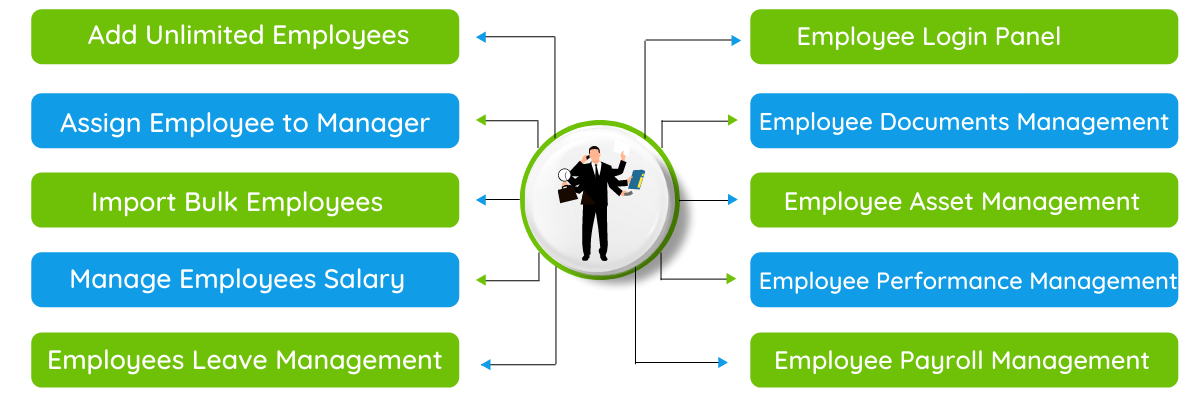
Managing employee records efficiently is crucial for any business to ensure compliance, streamline HR processes, and enhance workforce management. PHP HR is a powerful and user-friendly employee record-keeping software designed to store, organize, and manage all HR-related data in a secure and accessible manner.
How to Keep Employee Records in PHP HR
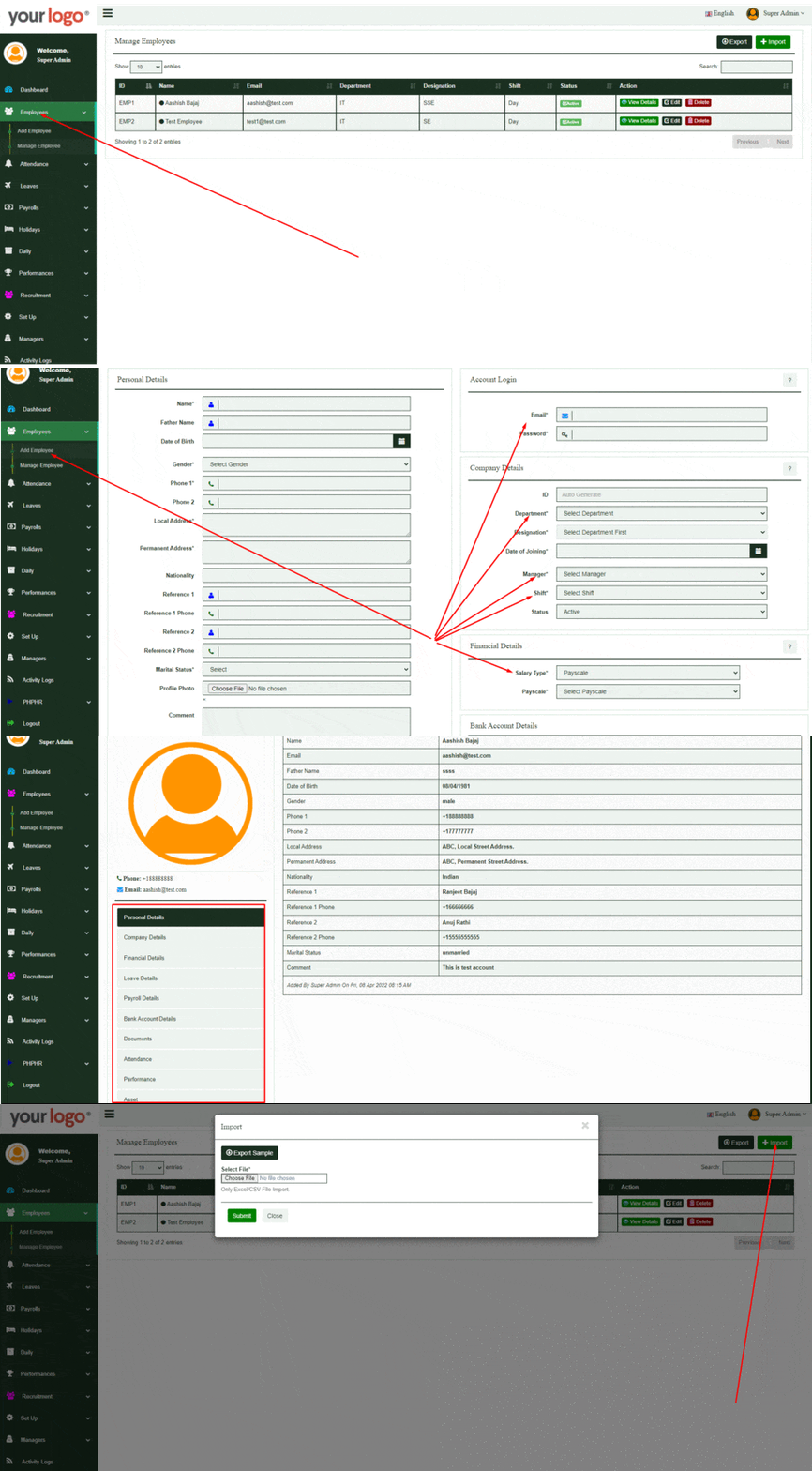
Employee Profile Management
Maintaining accurate and detailed employee profiles is essential for efficient workforce management. PHP HR allows you to:
Create individual employee profiles with personal details, contact information, and job roles.
Store emergency contact details to ensure quick communication during unforeseen situations.
Maintain employment history, including past job roles, promotions, department transfers, and salary history.
Add photographs and digital signatures to each employee profile for easy identification.
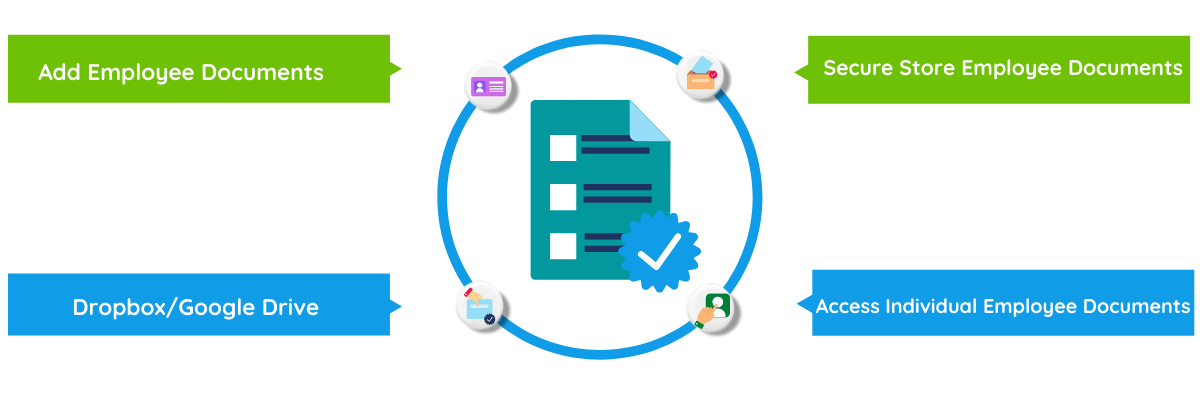
Secure Document Storage and Management
Managing employee documents in one place reduces paperwork and ensures quick access when needed. PHP HR enables businesses to:
Upload and store important employee documents such as offer letters, experience certificates, resumes, and government IDs.
Categorize files into organized folders for easy retrieval.
Set access controls and permission levels to ensure confidentiality and prevent unauthorized access.
Automate reminders for document renewals, such as ID expirations and contract updates.
Attendance and Leave Tracking
Tracking employee attendance and leaves accurately is essential for payroll processing and workforce management. With PHP HR, you can:
Maintain real-time attendance records using biometric systems, RFID, or manual entries.
Enable employees to apply for leaves online and get approvals through a streamlined process.
Track sick leaves, vacation days, and unpaid leaves to manage workforce availability efficiently.
Generate monthly and yearly attendance reports for better analysis and decision-making.
Payroll Management and Salary Records
Payroll processing becomes hassle-free with PHP HR’s automated payroll management system, allowing you to:
Store salary structures, tax deductions, bonuses, and reimbursement details in one place.
Maintain employee bank details for salary disbursement via direct deposit.
Automate salary slip generation and maintain a history of past payments.
Ensure compliance with tax laws by calculating income tax and provident fund deductions.
Performance tracking is a critical HR function that ensures employees remain motivated and productive. PHP HR helps organizations:
Keep records of employee performance reviews and feedback from managers.
Track goal achievements, training progress, and skill development.
Store appraisal letters, promotion details, and salary hike history for future reference.
Generate customized performance reports to evaluate employee contributions.
Training and Skill Development Records
Continuous learning and development play a vital role in employee growth. PHP HR allows businesses to:
Track employee training programs, certifications, and skill development courses.
Maintain records of training completion dates, scores, and participation feedback.
Schedule upcoming training sessions and notify employees.
Generate training performance reports to identify skill gaps and improvement areas.
Resignation and Exit Formalities
Handling employee resignations and exits smoothly ensures a professional offboarding experience. With PHP HR, you can:
Maintain resignation letters and exit interview forms for company records.
Store full and final settlement calculations, including pending salaries, gratuity, and other benefits.
Keep records of clearance certificates and handover processes.
Automatically generate experience and relieving letters.
Why PHP HR is the Best Employee Record-Keeping Software
User-Friendly Interface
The intuitive dashboard makes navigating and accessing records quick and easy.
Designed for HR professionals, managers, and employees, ensuring effortless usability.
Secure and Encrypted Document Storage
Uses advanced encryption to protect sensitive employee data from unauthorized access.
Supports role-based access so only authorized personnel can view or edit records.
Automated Record Management
Eliminates manual data entry and ensures accuracy and efficiency.
Reduces errors in payroll processing, attendance tracking, and leave approvals.
Legal Compliance and Data Security
Ensures compliance with labor laws, tax regulations, and HR policies.
Offers data backup and recovery options to prevent accidental data loss.
Highly Customizable for Business Needs
Customize modules based on company requirements, industry needs, and workflows.
Integrate with third-party software like accounting tools and ERP systems.
Multi-User Accessibility and Collaboration
Supports multiple users with different access levels (HR, managers, employees).
Employees can update their own information and request leaves through self-service portals.
Integration with Payroll and Attendance Systems
Seamlessly connects with biometric devices, time-tracking apps, and payroll software.
Automates payroll calculations based on attendance and overtime records.
Cost-Effective and Scalable Solution
A budget-friendly alternative to expensive HR software.
Scales effortlessly to handle businesses of all sizes from startups to enterprises.
Data Backup and Recovery
Automatic daily, weekly, or monthly backups ensure data security.
Quick data recovery options in case of accidental deletion or system failure.
Designed for Various Industries
PHP HR is suitable for businesses across different industries, including:
IT & Software Development – Manage remote employees and freelancers efficiently.
Healthcare – Securely store medical staff credentials and schedules.
Education – Maintain teacher and student records with ease.
Manufacturing – Keep detailed shift schedules, attendance, and safety training records.
Retail & E-commerce – Manage a large workforce, shift rosters, and sales staff data.
Finance & Banking – Ensure compliance with strict regulatory requirements.
Hospitality – Track employee performance, leaves, and shift assignments.
FAQs
What are the mandatory documents required for joining a new company?
The mandatory documents for joining a new company typically include identity proof (Aadhaar, Passport, Voter ID, or PAN card), address proof, educational certificates, previous employment records (if applicable), bank account details, a cancelled cheque, medical certificate, and passport-sized photographs. These documents are essential for identity verification, payroll processing, and compliance with company policies.
Why is an appointment letter required before joining a company?
An appointment letter is required before joining a company because it serves as a formal job offer that outlines your job title, responsibilities, salary structure, probation period (if any), and other employment terms. It acts as a legal contract between the employer and the employee.
What happens if I fail to submit all the required documents on my joining date?
If you fail to submit all the required documents on your joining date, your onboarding process may be delayed. Some companies provide a grace period for missing documents, but essential documents like identity proof, PAN card, and bank details are mandatory before you can start working.
Can I submit scanned or digital copies of my documents instead of physical copies when joining a company?
Many companies accept scanned or digital copies of documents for initial verification. However, some documents, such as signed contracts, notarized proofs, or government-issued IDs, may need to be submitted in physical form for final processing.
Do I need to bring passport-sized photographs on my first day of joining a company?
Yes, most companies require 2-3 recent passport-sized photographs for employee records, ID card processing, and official documentation. Carrying extra copies is advisable in case they are needed for additional formalities.
What types of identity proofs are accepted by companies during the joining process?
Accepted identity proofs for the joining process include Aadhaar Card, Passport, Voter ID, PAN Card, or Driver’s License. The company may specify which ones are mandatory based on legal and compliance requirements.
Can I use my Aadhaar Card for both identity and address verification while joining a company?
Yes, Aadhaar Card can serve as both identity and address proof unless the company specifically requests separate documents. In some cases, a rental agreement, recent utility bill, or bank statement may be required as additional address proof.
What should I do if my address on my Aadhaar Card or ID proof is outdated when joining a company?
If your address has changed, you should provide an alternate address proof such as a rental agreement, recent utility bill, or a bank statement. Some companies may accept a self-declaration letter as temporary proof.
Is it mandatory to provide passport details when joining a company even if my job does not require travel?
Not necessarily, but certain industries, especially IT and multinational corporations, may require passport details for background verification or potential future travel purposes. If you do not have a passport, you should inform HR.
Do I need to submit all my educational certificates or only my highest qualification when joining a company?
Most companies require proof of your highest educational qualification, such as a degree or diploma certificate. However, some roles may require additional certificates, such as professional course completion documents.
Can I start working if I have not yet received my original degree certificate from my university?
Many companies accept provisional degree certificates or mark sheets as temporary proof. However, you may need to submit the original degree certificate once it is available.
What should I do if I have lost my degree or other educational certificates before joining a company?
If you have lost an important certificate, you should apply for a duplicate copy from your university. Alternatively, you may be asked to provide an affidavit stating the loss of the original document.
Why does the company ask for previous employment documents such as experience letters and salary slips before joining?
Experience letters and salary slips help verify your past employment, work experience, and salary details. These documents are crucial for determining salary negotiations and ensuring a smooth transition between jobs.
Is it necessary to provide a relieving letter from my previous employer before joining a new company?
Yes, a relieving letter confirms your last working day and that you have left your previous organization on good terms. Some companies make this a mandatory requirement before allowing you to join.
Why do companies require my bank account details before joining a new job?
Your bank details are required for salary processing, payroll setup, and other financial transactions related to your employment.
Can I receive my salary in a joint bank account after joining a company?
Yes, you can use a joint account, provided you are a primary account holder. Some companies may require additional authorization if the account is shared.
Is it mandatory to provide a PAN card at the time of joining a company?
Yes, a PAN card is required for income tax purposes and salary processing. Without a PAN card, your employer may deduct a higher percentage of tax from your salary.
Why does the company ask for a cancelled cheque or bank statement before joining?
A cancelled cheque or bank statement is used to verify your account details, ensuring that salary deposits are made to the correct account. It also helps in processing reimbursements and other financial transactions.
What should I do if I do not have a PAN card before joining a company?
If you do not have a PAN card, you should apply for one immediately. Some companies may allow you to submit the application acknowledgment as temporary proof, but salary processing may be delayed until the PAN card is issued.
Why do companies require a medical certificate for new employees during the joining process?
A medical certificate ensures that you are fit for work, particularly for jobs that involve physical activity, hazardous environments, or health-sensitive industries like aviation and healthcare.
Will my medical records be kept confidential in the company after joining?
Yes, companies follow strict data protection and privacy policies to ensure that your medical records remain confidential and are not disclosed without your consent.
What is a Non-Disclosure Agreement (NDA), and why do I need to sign it before joining a company?
An NDA is a legal document that ensures you do not share confidential company information with outsiders. Signing an NDA protects the company’s sensitive data and intellectual property.
Why is signing the Employee Handbook Acknowledgment necessary before joining a company?
The Employee Handbook outlines company policies, code of conduct, leave structure, and workplace guidelines. Signing the acknowledgment confirms that you have read and agreed to abide by these rules.
What does the background verification process involve before joining a company?
Background verification includes checking your identity, past employment records, educational qualifications, criminal records (if applicable), and any discrepancies in your provided information.
Can my job offer be revoked if I fail the background verification before joining a company?
Yes, if there are false claims, criminal records, or significant discrepancies in your documents, the company may revoke the job offer or terminate employment.
Why do companies require emergency contact details during the joining process?
Emergency contact details are needed in case of medical emergencies, accidents, or urgent situations where the company may need to inform a family member or guardian.
Can I update my personal details later if there are any changes after joining a company?
Yes, most companies allow employees to update details such as address, phone number, and emergency contacts through HR or internal employee portals.
Will I get a copy of all the documents I sign at the time of joining a company?
Yes, companies usually provide a copy of the signed employment contract, offer letter, and other important documents for your records. If not, you can request copies from HR.
Is it necessary to inform HR if I change my name or marital status after joining a company?
Yes, any changes to personal details like name, marital status, or dependents should be updated with HR to ensure correct records for payroll, benefits, and taxation.
PHP HR Document is a powerful, secure, and user-friendly employee record-keeping software designed to simplify HR management. By automating key HR processes such as attendance tracking, payroll management, document storage, and performance evaluation, businesses can reduce manual workload, enhance efficiency, and ensure compliance with labor laws. With its customizable features, seamless integrations, and multi-user accessibility, PHP HR caters to businesses of all sizes across various industries. Whether you’re a startup, SME, or large enterprise, this software provides a structured approach to managing employee records while maintaining data security and confidentiality. By implementing PHP HR, organizations can save time, minimize errors, and improve workforce management, making it an ideal solution for modern businesses looking for a cost-effective and scalable HR system.