Principles of Human Resource (HR) Management
Human Resource (HR) Management focuses on hiring, developing, and retaining talent to drive organizational success. Key principles include recruitment, employee training, performance management, compensation, workplace culture, and compliance with labor laws. Effective HR practices enhance productivity, engagement, and job satisfaction, ensuring a motivated and high-performing workforce.
Human Resource (HR) Management plays a vital role in ensuring an organization’s success by managing its most valuable asset its people. The principles of HR management serve as the foundation for fostering a productive, motivated, and engaged workforce while aligning employee performance with business goals. These principles guide HR professionals in areas such as recruitment, employee development, compensation, performance management, and workplace culture. A well-structured HR strategy enhances employee satisfaction, reduces turnover, and boosts overall efficiency. The key principles include fair and transparent hiring practices, continuous learning and development, competitive compensation structures, effective communication, diversity and inclusion, and compliance with labor laws. HR also focuses on fostering a positive work environment where employees feel valued and empowered to contribute to organizational success.
In the modern workplace, HR management goes beyond administrative tasks and plays a strategic role in shaping company culture, improving employee engagement, and leveraging technology for efficient workforce management. With the rise of automation, remote work, and data-driven decision-making, HR principles continue to evolve, adapting to new challenges and opportunities. By applying these principles effectively, organizations can create a sustainable, high-performing workforce that drives innovation and long-term success.
Here is a detailed breakdown of the Principles of Human Resource (HR) Management, with an in-depth expansion of each subheading:
1. Recruitment & Selection
Recruiting the right talent ensures the success of an organization. A structured recruitment process helps attract, evaluate, and hire the best candidates.
a) Workforce Planning
- Analyze current workforce capacity and future needs.
- Forecast talent demand and supply based on business growth.
- Identify skill gaps and create hiring plans accordingly.
b) Talent Acquisition
- Utilize multiple recruitment channels (job portals, LinkedIn, employee referrals).
- Implement employer branding strategies to attract top talent.
- Ensure diversity and inclusion in hiring practices.
c) Onboarding & Orientation
- Provide a structured onboarding process to help new hires adapt.
- Assign mentors or buddies to guide new employees.
- Clearly communicate company values, culture, and expectations.
2. Employee Development
Continuous learning and skill enhancement lead to long-term employee satisfaction and productivity.
a) Training & Skill Enhancement
- Offer technical, leadership, and soft skills training.
- Provide access to e-learning platforms and certifications.
- Encourage cross-functional training to enhance adaptability.
b) Career Progression & Promotions
- Establish clear promotion criteria based on performance and experience.
- Develop Individual Development Plans (IDPs) for employees.
- Provide leadership training to high-potential employees.
c) Performance Improvement Plans (PIP)
- Identify underperforming employees and provide structured guidance.
- Set SMART (Specific, Measurable, Achievable, Relevant, Time-bound) goals.
- Monitor progress regularly and offer coaching as needed.
3. Performance Management
Performance management helps align individual goals with company objectives while ensuring employee growth.
a) Goal Setting & KPI Measurement
- Define clear objectives aligned with organizational strategy.
- Use performance metrics such as Key Performance Indicators (KPIs).
- Implement continuous goal review and adjustments.
b) Regular Feedback & Appraisals
- Conduct frequent check-ins instead of annual reviews.
- Use 360-degree feedback from peers, managers, and subordinates.
- Focus on strengths-based coaching rather than just weaknesses.
c) Employee Recognition & Rewards
- Implement structured recognition programs (Employee of the Month, bonus schemes).
- Celebrate milestones and achievements publicly.
- Provide non-monetary rewards such as extra leave, flexible work options, and professional development opportunities.
4. Compensation & Benefits
Fair and competitive compensation enhances employee motivation and retention.
a) Salary Structuring & Market Benchmarking
- Conduct salary benchmarking with industry standards.
- Offer fair pay based on skills, experience, and location.
- Ensure transparency in salary discussions and pay raises.
b) Employee Benefits & Perks
- Provide health insurance, retirement plans, and stock options.
- Offer wellness programs such as gym memberships and mental health support.
- Allow flexible benefits (cafeteria plans) where employees can choose benefits that suit them.
c) Incentives & Profit-Sharing
- Develop performance-based bonuses and incentives.
- Implement Employee Stock Ownership Plans (ESOPs).
- Reward long-term employees with profit-sharing schemes.
5. Employee Engagement & Motivation
Engaged employees are more productive, committed, and satisfied at work.
a) Work-Life Balance
- Encourage remote work and flexible schedules.
- Provide paid time off (PTO) and mental health days.
- Promote wellness programs and stress management activities.
b) Employee Involvement in Decision-Making
- Involve employees in company strategies and goal-setting.
- Create employee-led committees for workplace improvements.
- Use engagement surveys to gather feedback and implement changes.
c) Team-Building Activities
- Organize team retreats, outings, and recreational events.
- Promote collaborative workspaces and brainstorming sessions.
- Encourage cross-departmental networking and interaction.
6. Workplace Diversity & Inclusion
A diverse and inclusive workplace fosters innovation and fairness.
a) Equal Opportunity Employment
- Implement unbiased hiring and promotion practices.
- Ensure fair treatment for all employees regardless of gender, race, or background.
- Create policies supporting underrepresented groups.
b) Inclusive Workplace Policies
- Develop harassment and anti-discrimination policies.
- Offer support for LGBTQ+ employees and persons with disabilities.
- Provide maternity and paternity leave benefits.
c) Cultural Sensitivity & Awareness Programs
- Conduct diversity training and sensitivity workshops.
- Celebrate cultural festivals and heritage months.
- Promote open discussions on diversity and inclusion topics.
7. Compliance with Labor Laws
Adhering to labor laws protects both employees and the organization.
a) Adherence to Local & International Laws
- Ensure compliance with wage laws, working hours, and overtime regulations.
- Stay updated on labor law amendments.
- Maintain accurate employee records and contracts.
b) Employee Rights & Workplace Ethics
- Protect employees against discrimination and wrongful termination.
- Encourage ethical workplace behavior through training and policies.
- Implement strict confidentiality and data protection measures.
c) Health & Safety Regulations
- Conduct workplace safety audits and emergency drills.
- Provide ergonomic office setups to prevent injuries.
- Ensure employees have access to health and safety training.
8. Employee Relations & Communication
Open and effective communication strengthens workplace relationships.
a) Transparent Communication Channels
- Use internal communication tools like Slack, email updates, and HR portals.
- Encourage open-door policies for concerns and grievances.
- Provide regular updates on company performance and policies.
b) Conflict Resolution & Mediation
- Implement clear grievance-handling mechanisms.
- Train HR personnel in conflict resolution techniques.
- Encourage mutual respect and professionalism in workplace interactions.
c) Employee Surveys & Feedback Mechanisms
- Conduct regular employee satisfaction surveys.
- Use anonymous feedback tools to gather honest insights.
- Implement action plans based on employee feedback.
9. HR Strategy & Organizational Goals
Strategic HR management aligns workforce planning with business success.
a) Aligning HR with Business Strategy
- Develop HR policies supporting company vision and objectives.
- Use HR analytics for workforce planning.
- Adjust HR strategies based on market trends and organizational needs.
b) Workforce Analytics & Planning
- Use data-driven insights to improve hiring and retention.
- Analyze workforce productivity and identify improvement areas.
- Implement AI-driven recruitment tools for better hiring decisions.
c) Succession Planning
- Identify key roles and future leadership candidates.
- Develop training programs for high-potential employees.
- Ensure smooth transitions in leadership roles.
10. Technology & HR Innovation
Leveraging technology improves HR efficiency and effectiveness.
a) HR Software & Automation
- Implement Human Resource Management Systems (HRMS) for payroll and attendance tracking.
- Use AI-powered chatbots for employee support.
- Automate repetitive HR tasks to improve efficiency.
b) Remote Work & Digital Transformation
- Utilize collaboration tools like Zoom, Microsoft Teams, and Trello.
- Create remote work policies and digital onboarding strategies.
- Support virtual team-building activities and engagement.
c) Data-Driven HR Decisions
- Use predictive analytics to improve hiring and retention.
- Analyze employee performance data for better decision-making.
- Leverage AI for personalized learning and development plans.
PHP HR stands out as an exceptional HR solution due to its comprehensive features, user-friendly interface, and the ability to streamline HR processes. Here are the key reasons why PHP HR is the preferred choice for many organizations:
Comprehensive HR Suite
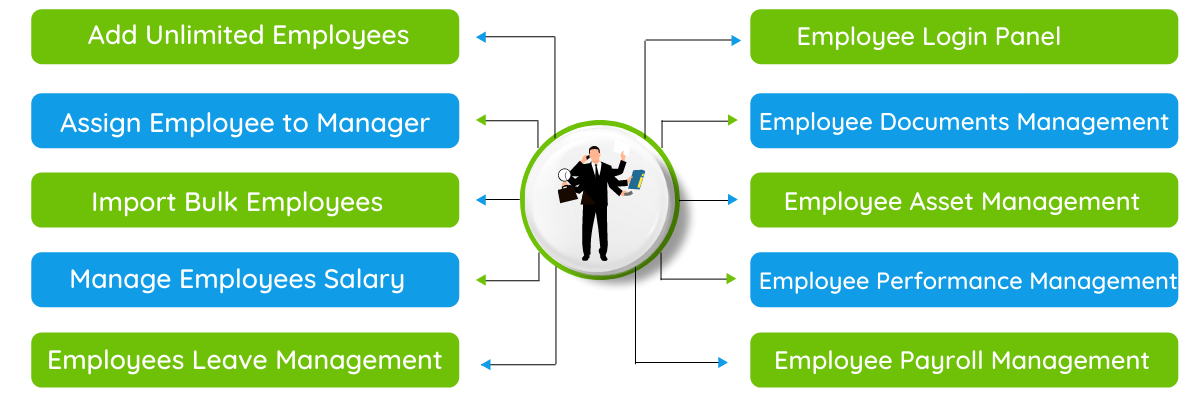
PHP HR offers an all-in-one HR platform that covers every aspect of human resource management from recruitment and onboarding to payroll, leave management, and performance tracking. This integration reduces the need for multiple systems, providing a seamless experience for both HR teams and employees.
Intuitive and User-Friendly Interface
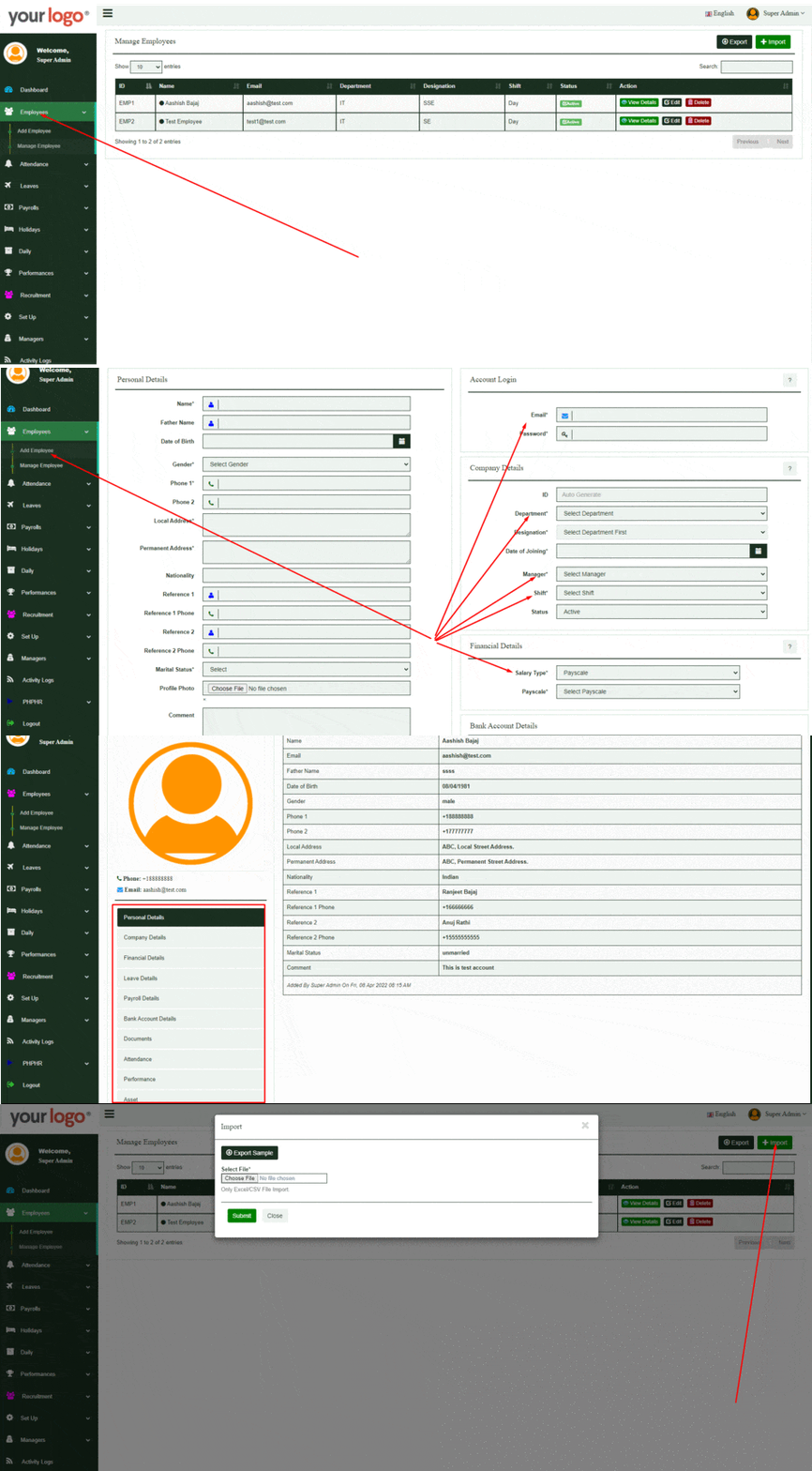
Designed with ease of use in mind, PHP HR boasts an intuitive interface that makes it simple for HR professionals to navigate and manage processes. The user-friendly design ensures that both HR teams and employees can quickly adopt the platform without significant training, ensuring a smooth transition.
Highly Customizable Features
PHP HR provides customization options that allow businesses to tailor the platform to their unique needs. Whether it’s adjusting workflows, configuring reports, or personalizing the employee experience, PHP HR adapts to fit any organization’s requirements.
Cloud-Based Flexibility
Being a cloud-based solution, PHP HR offers flexibility and accessibility. HR teams can access the platform from any location, on any device, ensuring that business operations continue smoothly, whether employees are on-site or working remotely.
Automated HR Processes
Automation is a core feature of PHP HR. Routine HR tasks such as payroll processing, attendance tracking, and leave management are automated, reducing manual effort, eliminating errors, and ensuring efficiency. This allows HR professionals to focus on more strategic initiatives.
Employee Self-Service Portal
PHP HR includes a self-service portal, giving employees direct access to their personal information, payslips, leave requests, and attendance records. This reduces the administrative burden on HR teams while empowering employees to manage their own HR-related tasks.
Advanced Reporting and Analytics
The platform offers detailed reports and insightful analytics, helping HR teams monitor employee performance, track attendance trends, and identify potential areas for improvement. These insights enable data-driven decision-making to boost productivity and employee satisfaction.
Seamless Integration with Other Systems
PHP HR seamlessly integrates with other business systems such as payroll, attendance, and accounting software, ensuring that all HR-related functions are in sync. This reduces manual data entry, minimizes errors, and enhances the overall efficiency of the organization.
Cost-Effective Solution
PHP HR provides a feature-rich solution at a competitive price, making it an affordable choice for businesses of all sizes. It is scalable, meaning it can grow with your company, making it an ideal investment for both small startups and large enterprises.
Security and Data Privacy
Security is a top priority for PHP HR. The platform ensures that sensitive employee data is stored securely, with encryption, multi-level access controls, and regular backups. This helps businesses comply with data privacy regulations and provides peace of mind that employee information is safe.
Outstanding Customer Support
PHP HR offers dedicated customer support, with training resources, tutorials, and a responsive support team ready to assist with any issues. This ensures that businesses get the most out of the platform and can resolve any challenges quickly.
Mobile Accessibility
With a mobile app, PHP HR makes it easy for employees and HR professionals to stay connected and manage HR tasks on the go. This enhances flexibility and ensures that HR processes can be accessed anytime, anywhere.
Scalable and Adaptable
As your business grows, PHP HR can scale to accommodate new employees, departments, and additional functionalities. Whether you are a small business or a large enterprise, PHP HR can evolve with your company’s needs, making it a long-term solution.
Enhanced Employee Engagement
PHP HR includes tools to gather employee feedback, conduct surveys, and celebrate employee achievements. By fostering a culture of recognition and engagement, PHP HR helps improve employee satisfaction, retention, and overall morale.
FAQs
What are the core principles of Human Resource Management?
The core principles of HR management focus on fairness, transparency, compliance, and strategic alignment with business goals. These principles help organizations build a productive, motivated, and satisfied workforce.
Why is HR Management important for an organization?
HR management plays a critical role in ensuring employees are effectively recruited, trained, and engaged. A well-structured HR department supports employee well-being, reduces turnover, and aligns workforce planning with company objectives.
How do HR principles contribute to business success?
By ensuring effective talent acquisition, fostering a positive work culture, and aligning HR strategies with business goals, organizations can achieve long-term success. HR policies also help in workforce development, compliance, and employee satisfaction.
What is the role of HR in organizational culture?
HR influences company culture by shaping workplace policies, promoting diversity, implementing employee engagement programs, and fostering a work environment that supports collaboration, respect, and innovation.
How can HR align with an organization’s strategic goals?
HR strategies should support business objectives by identifying workforce needs, implementing efficient talent management systems, and enhancing employee performance through continuous learning and development programs.
What are the best practices for effective recruitment?
Effective recruitment involves defining job roles clearly, implementing structured hiring processes, using technology to streamline applicant tracking, and ensuring diversity and inclusion in hiring.
How can HR ensure a fair and unbiased hiring process?
HR departments must use standardized evaluation methods, conduct bias-free interviews, and implement diverse hiring practices to create an equitable recruitment process.
What is the role of HR in talent acquisition?
Talent acquisition involves attracting, hiring, and retaining employees who align with company values and goals. HR ensures the process is efficient by leveraging recruitment technology and market insights.
How does employer branding impact recruitment?
A strong employer brand attracts top talent by promoting company values, work-life balance, career growth opportunities, and an inclusive workplace culture.
What are the key challenges in recruitment, and how can they be addressed?
Recruitment challenges include talent shortages, high competition, and lengthy hiring processes. These can be addressed by leveraging AI-powered recruitment tools, enhancing employer branding, and improving candidate experience.
How does HR promote employee engagement?
HR enhances employee engagement through recognition programs, career development opportunities, effective communication channels, and fostering a workplace that values employee contributions.
What are the best ways to handle employee conflicts?
HR plays a crucial role in conflict resolution by promoting open communication, establishing clear workplace policies, and using mediation techniques to resolve disputes professionally.
How can HR improve employee retention?
Organizations can retain employees by offering competitive compensation, career growth opportunities, a positive work culture, and regular employee feedback sessions to address concerns.
What role does HR play in diversity and inclusion?
HR drives diversity and inclusion initiatives by implementing fair hiring practices, providing sensitivity training, and ensuring workplace policies support equality and representation.
Why is employee feedback important in HR management?
Employee feedback helps organizations understand workforce challenges, improve engagement, and create a culture of continuous learning and development.
What are the best strategies for effective performance management?
HR should implement goal-setting frameworks, provide regular feedback, conduct structured performance appraisals, and offer opportunities for employee skill development.
How does HR ensure fair performance evaluations?
Fair evaluations require the use of objective performance metrics, training managers to assess employees without bias, and incorporating 360-degree feedback methods.
What role does HR play in employee training and development?
HR designs and facilitates training programs to enhance employee skills, support career advancement, and ensure the workforce remains competitive in the industry.
Why is continuous learning important for employees?
A culture of continuous learning helps employees stay updated with industry trends, improve their job performance, and adapt to evolving business needs.
How does HR identify employee training needs?
HR conducts skill gap analyses, reviews employee performance, and gathers feedback to design relevant training programs that align with business goals.
How does HR ensure fair compensation and benefits?
HR ensures competitive and fair compensation through market benchmarking, implementing equitable pay structures, and conducting regular salary reviews.
What are the key components of an effective compensation strategy?
A strong compensation strategy includes competitive salaries, benefits packages, performance incentives, and recognition programs to enhance employee satisfaction and motivation.
How does HR ensure compliance with labor laws?
HR stays updated with labor regulations, implements compliant workplace policies, and conducts internal audits to prevent legal risks and ensure fair employment practices.
Why is workplace safety an essential HR responsibility?
HR enforces safety protocols, conducts training sessions, and ensures compliance with health and safety regulations to maintain a secure work environment.
What are some common HR compliance challenges?
Organizations face compliance challenges such as evolving labor laws, equal employment policies, and maintaining secure employee records. HR must proactively address these through audits and policy updates.
How is technology transforming HR management?
Technology streamlines HR processes, enhances recruitment efforts, supports remote workforce management, and improves employee engagement through automation and AI-driven tools.
What are the benefits of using HR software?
HR software optimizes workforce management by automating payroll, attendance tracking, recruitment, and performance evaluations, increasing efficiency and reducing manual errors.
How does HR use data analytics for decision-making?
HR analytics helps in tracking employee performance, predicting turnover rates, and making informed workforce planning decisions to enhance organizational productivity.
How does HR support remote work policies?
HR plays a crucial role in remote work management by setting clear guidelines, using digital collaboration tools, and ensuring employee well-being and engagement.
What trends are shaping the future of HR management?
HR is evolving with AI-driven recruitment, flexible work arrangements, skills-based hiring, and a greater focus on employee well-being, mental health, and continuous learning.
Human Resource Management plays a vital role in shaping the success of an organization by implementing fair policies, ensuring workforce well-being, and aligning HR strategies with business goals. By adopting best practices in recruitment, engagement, performance management, and compliance, HR can create a positive and productive workplace that benefits both employees and the organization. PHP HR is a robust, flexible, and user-friendly solution that provides businesses with all the tools they need to manage human resources effectively. With its automation features, advanced reporting capabilities, customizable tools, and secure cloud-based platform, PHP HR simplifies HR processes and enhances employee satisfaction, making it the best choice for organizations looking to optimize their HR management.
PHP HR is a robust, flexible, and user-friendly solution that provides businesses with all the tools they need to manage human resources effectively. With its automation features, advanced reporting capabilities, customizable tools, and secure cloud-based platform, PHP HR simplifies HR processes and enhances employee satisfaction, making it the best choice for organizations looking to optimize their HR management.
Want to see PHP HR in action? You can explore its features through a demo and discover how it can streamline your HR processes.