Staff scheduling software system automates the process of creating and maintaining a schedule. Such software will usually track vacation time, sick time, compensation time, and alert when there are conflicts. As scheduling data is accumulated over time, it may be extracted for payroll or to analyze past activity.
A staff schedule, often called a rota or roster, is a list of employees, and associated information e.g. location, working times, responsibilities for a given period e.g. week, month, or sports season. In shift work, a schedule usually employs a recurring shift plan. A schedule is most often created by a manager.
Scheduling staff creates order and a flow to your business. Everyone knows when they’re supposed to work, which allows them to focus on their job. Proper scheduling ensures the important tasks are covered at appropriate times.
An important task of human resource management is to attract, develop and retain the best people. Therefore, there is a growing need to get the best people in the right place at the right time. Forecasting helps to match the requirements and the availabilities of employees. Forecasting can make under capacity or overcapacity visible immediately, so you can anticipate it. Optimize your strategic and operational staff scheduling with historical data and a range of variables.
Staff scheduling is an important factor for having a successful business. Optimal planning of your staff means you will have all the experience, knowledge, skills and quality in the right place at the right time and this wat you will achieve most of your objectives.
Managing employee schedules is a critical component of running any organization, ensuring adequate staffing levels and efficient operations. A staff scheduling software system simplifies this process by automating tasks like shift assignments, time tracking, and communication, making it an invaluable tool for businesses of all sizes.
What is a Staff Scheduling Software System?
A staff scheduling software system is a digital solution designed to help managers and HR professionals create, manage, and optimize employee work schedules. It replaces manual scheduling methods like spreadsheets or paper-based systems with a centralized, automated platform that saves time and reduces errors.
Key Features of a Staff Scheduling Software System
Automated Scheduling
Automates the creation of staff schedules based on predefined rules, availability, and workload requirements, reducing manual effort.
Employee Availability Management
Allows employees to input their availability, ensuring schedules align with personal preferences and organizational needs.
Shift Swapping and Time-Off Requests
Facilitates shift swapping, time-off requests, and approvals directly within the platform, promoting flexibility and transparency.
Notifications and Alerts
Sends automated notifications to employees about schedule updates, shift changes, or important announcements, improving communication.
Integration with Time Tracking
Integrates with time-tracking tools to monitor attendance and work hours, ensuring compliance and accurate payroll calculations.
Analytics and Reporting
Provides insights into staffing trends, labor costs, and productivity, enabling data-driven decision-making.
Mobile Accessibility
Offers mobile-friendly apps or interfaces, allowing employees and managers to access schedules, make changes, or communicate on the go.
Cost Optimization
Tracks labor costs and overtime, enabling better budget management and ensuring optimal resource allocation.
Enhanced Productivity
Ensures the right staff is in place at the right time, preventing overstaffing or understaffing and improving overall operational efficiency.
How to Choose the Right Staff Scheduling Software System
When selecting a staff scheduling software system, consider the following:
Scalability: Ensure the software can accommodate your business’s growth and evolving needs.
Ease of Use: A user-friendly interface reduces the learning curve for employees and managers.
Customization: Look for software that can adapt to your organization’s specific scheduling policies and rules.
Integration Capabilities: Ensure compatibility with existing tools like payroll systems, HR management platforms, or time-tracking software.
Support and Training: Opt for software providers that offer robust customer support and training resources.
Cost: Evaluate pricing models, including subscription fees, upfront costs, and any additional charges for upgrades or support.
Popular Use Cases for Staff Scheduling Software
Healthcare:
Ensures adequate staffing levels in hospitals and clinics while accommodating shift preferences and compliance with labor laws.
Retail and Hospitality:
Manages fluctuating workforce needs during peak seasons or special events, ensuring customer service excellence.
Manufacturing:
Streamlines complex shift rotations and ensures sufficient staffing to maintain production schedules.
Education:
Schedules teachers, support staff, and event coordinators efficiently, minimizing conflicts and ensuring smooth operations.
Remote Teams:
Helps schedule virtual meetings, manage deadlines, and ensure consistent collaboration across time zones.
Implementation Steps for a Staff Scheduling Software System
Assess Needs: Identify your organization’s scheduling challenges and key requirements.
Select a Software: Choose a solution that aligns with your business’s needs and budget.
Setup and Customization: Configure the software to reflect your organization’s scheduling rules, policies, and employee details.
Train Staff: Provide training to ensure all users understand how to use the system effectively.
Monitor and Optimize: Regularly review schedules, gather feedback, and make necessary adjustments to improve the system’s efficiency.
What is staff scheduling software?
Staff scheduling software is a digital tool that automates the process of creating and managing employee schedules. It helps allocate shifts, track availability, manage time-off requests, and improve overall workforce management.
How does staff scheduling software work?
The software uses algorithms and rules defined by the organization to automate scheduling tasks. Managers input employee availability, workload requirements, and other parameters, and the software generates optimized schedules while considering conflicts, preferences, and compliance requirements.
What are the benefits of using staff scheduling software?
The benefits include:
Reduced scheduling errors.
Time savings for managers.
Improved employee satisfaction.
Better compliance with labor laws.
Enhanced productivity and cost optimization.
Can employees access their schedules with this software?
Yes, most staff scheduling software systems include a mobile app or online portal where employees can view their schedules, request time off, and even swap shifts with colleagues (subject to approval).
Does the software handle shift swaps and time-off requests?
Yes, many scheduling systems include built-in functionality for employees to request time off or swap shifts. Managers can review and approve these requests directly through the platform.
Is staff scheduling software suitable for small businesses?
Yes, there are scheduling solutions tailored for businesses of all sizes, including small businesses. These tools are often affordable and easy to implement, providing significant time and cost savings.
Can the software integrate with other tools?
Yes, most modern staff scheduling systems integrate with payroll software, HR management tools, time-tracking apps, and communication platforms to create a seamless workflow.
How does staff scheduling software help with labor law compliance?
The software can be configured to adhere to local labor laws, such as overtime regulations, minimum shift lengths, and mandated break times. It reduces the risk of non-compliance by flagging potential violations during schedule creation.
Is training required to use staff scheduling software?
While most systems are user-friendly, some training may be necessary to ensure managers and employees are comfortable using the platform. Many providers offer tutorials, user guides, and customer support to help with onboarding.
Can the system accommodate varying shift patterns?
Yes, staff scheduling software is designed to handle complex scheduling needs, including rotating shifts, split shifts, and flexible work hours.
How secure is staff scheduling software?
Security features like encrypted data storage, role-based access controls, and secure login credentials ensure that employee information and schedules remain protected.
Can remote teams benefit from staff scheduling software?
Absolutely. Remote teams can use the software to coordinate schedules, manage deadlines, and track availability across different time zones, fostering better collaboration.
What industries benefit most from staff scheduling software?
Industries such as healthcare, retail, hospitality, manufacturing, education, and remote work environments greatly benefit from staff scheduling software due to their complex and dynamic workforce needs.
How much does staff scheduling software cost?
Costs vary based on the features, number of users, and provider. Many solutions offer subscription-based pricing, with options for monthly or annual plans. Free and open-source solutions are also available for smaller businesses.
Is the software scalable for growing businesses?
Yes, most scheduling systems are scalable, allowing businesses to add users, features, and integrations as they grow.
How does the software manage last-minute changes?
Staff scheduling software enables real-time updates and notifications. Managers can quickly adjust schedules, and employees are instantly informed via email, SMS, or mobile app notifications.
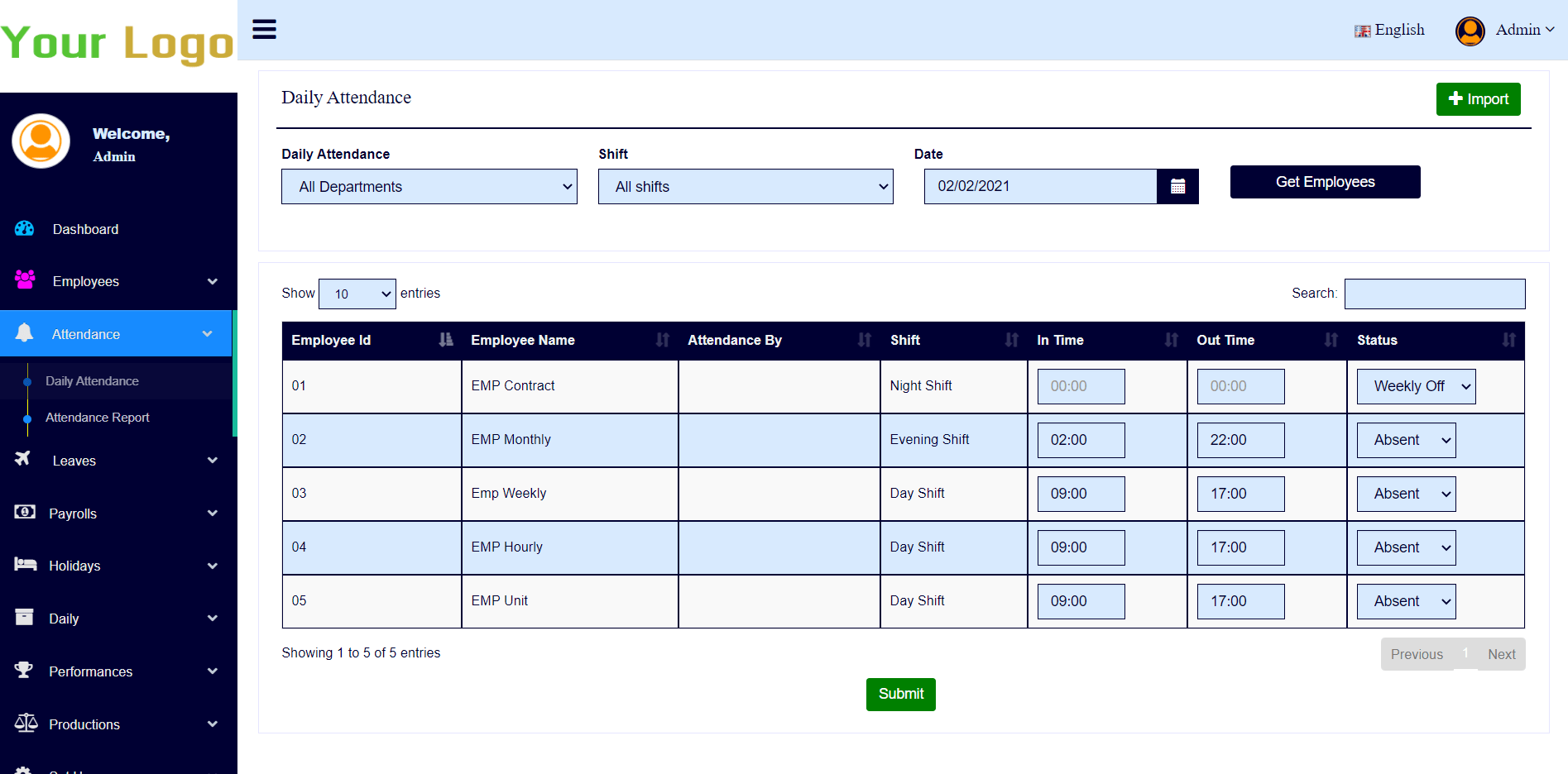
Can the software track employee attendance?
Some scheduling systems include time-tracking features or integrate with attendance tools to monitor clock-ins, clock-outs, and total work hours.
What should I look for when choosing staff scheduling software?
Key factors to consider include ease of use, customization options, integration capabilities, scalability, mobile access, and cost. Ensure the software aligns with your business’s specific needs.
How do I implement staff scheduling software in my organization?
Implementation involves assessing your scheduling needs, choosing the right software, configuring it to match your policies, training staff, and continuously optimizing usage based on feedback and performance metrics.
A staff scheduling software system is a powerful tool that simplifies workforce management, improves productivity, and enhances employee satisfaction. By automating scheduling tasks and providing real-time insights, businesses can ensure they have the right people in the right roles at the right time. Whether in healthcare, retail, or remote work environments, implementing such a system is a step toward streamlined operations and happier teams.