Discover the features, advantages, and implementation of an Employee Management System in PHP using MySQL.
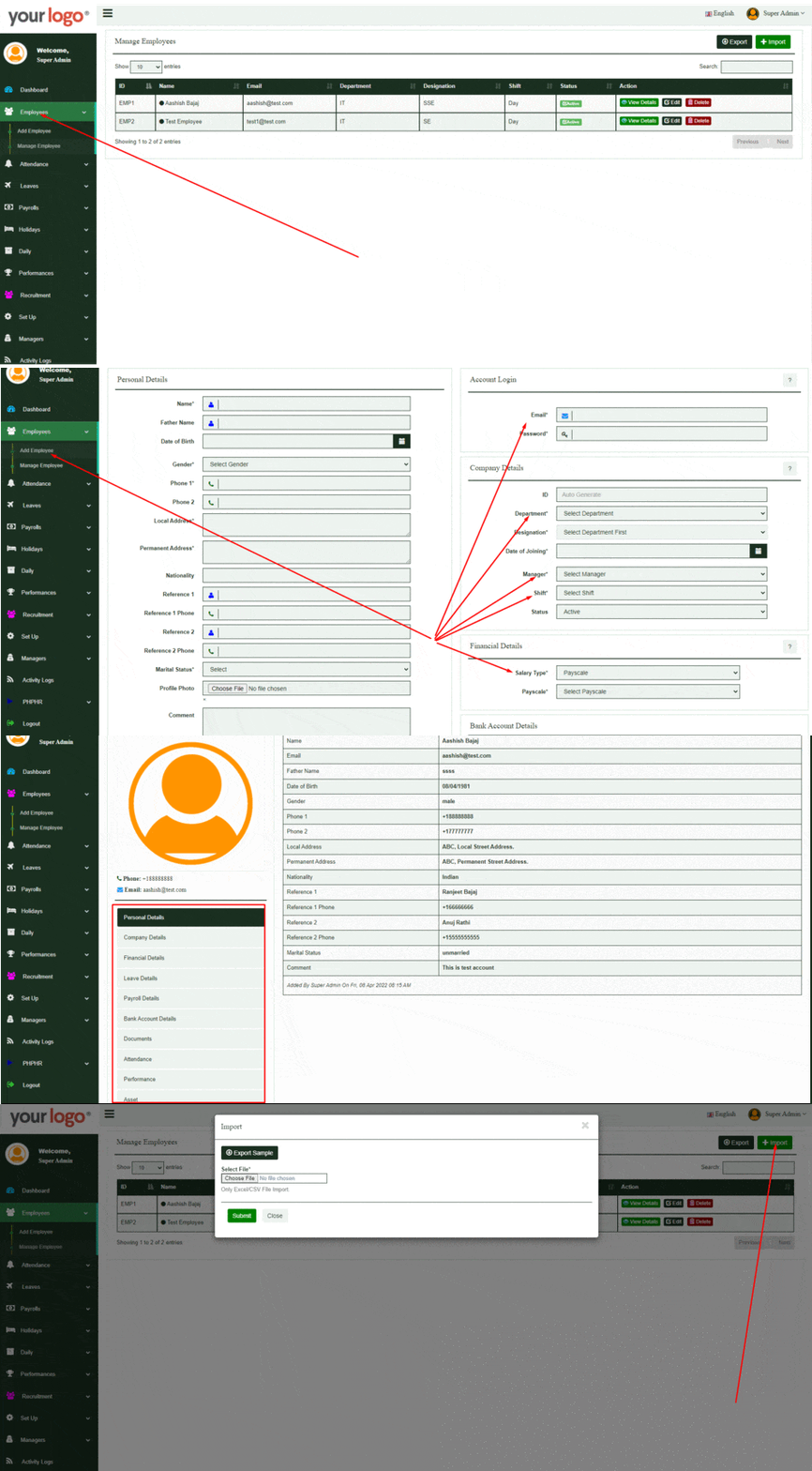
Employee management system in PHP is outlined because the comprehensive set of worker management tools that a corporation must manage employee data, engagement and performance, and drive a lot of worth across the enterprise. These tools don’t simply store and manage confidential worker information, they’ll seamlessly handle all worker time unit processes from enlisting to performance and off boarding. The aim of employee management system in PHP is devoted EMS helps in pursuit and evaluating parameters like performance, goal pursuit, attendance, and so on. The system brings all of your information beneath one roof. Employee management system in PHP straightforward to use and simple to be told.
Employee Management System is made in PHP. It deals with the summary of employees in a company or an association. It likewise contains the training’s visited by each worker. Representative is that the foundation of a company therefore employee management system in PHP is very helpful framework for an association or organization. It conjointly contains training’s attended by every worker. Employee is the backbone of an organization therefore employee management system is extremely useful system for a company. This method conjointly manage the corporate worker details like their attending, their performance, regular payment details, leave details. This section compresses the assessment of the writing necessary to the worker Management System. it’s at hypotheses, ideas, methodologies, methods and systems necessary to the venture.
An Employee Management System (EMS) is an essential tool for businesses to streamline HR processes, track employee data, and improve overall organizational efficiency. When built using PHP and MySQL, such systems offer flexibility, scalability, and security, making them ideal solutions for businesses of various sizes. In this article, we will delve into the features, advantages, and implementation of an Employee Management System in PHP.
What is an Employee Management System?
An Employee Management System is a web-based application that helps businesses manage and organize various aspects of employee data. It serves as a centralized platform to store and access information such as employee profiles, attendance records, payroll, performance, leave management, and more. By automating HR tasks and providing real-time access to data, EMS ensures that organizations can manage their workforce more efficiently.
Built using PHP (Hypertext Preprocessor) and MySQL (Structured Query Language), this system uses PHP for dynamic web development and MySQL for storing and retrieving data. PHP’s server-side scripting allows the creation of powerful, secure applications that integrate seamlessly with MySQL databases to manage data effectively.
Key Features of Employee Management System in PHP
An Employee Management System built with PHP and MySQL can include several key features, making it a comprehensive tool for HR management:
Employee Database
The core feature of an EMS is the employee database. It stores detailed information about employees such as personal details, job roles, salary, contact information, performance reviews, and more. This database allows HR managers to keep track of all employees in one place, ensuring efficient access to data.
Attendance and Leave Management
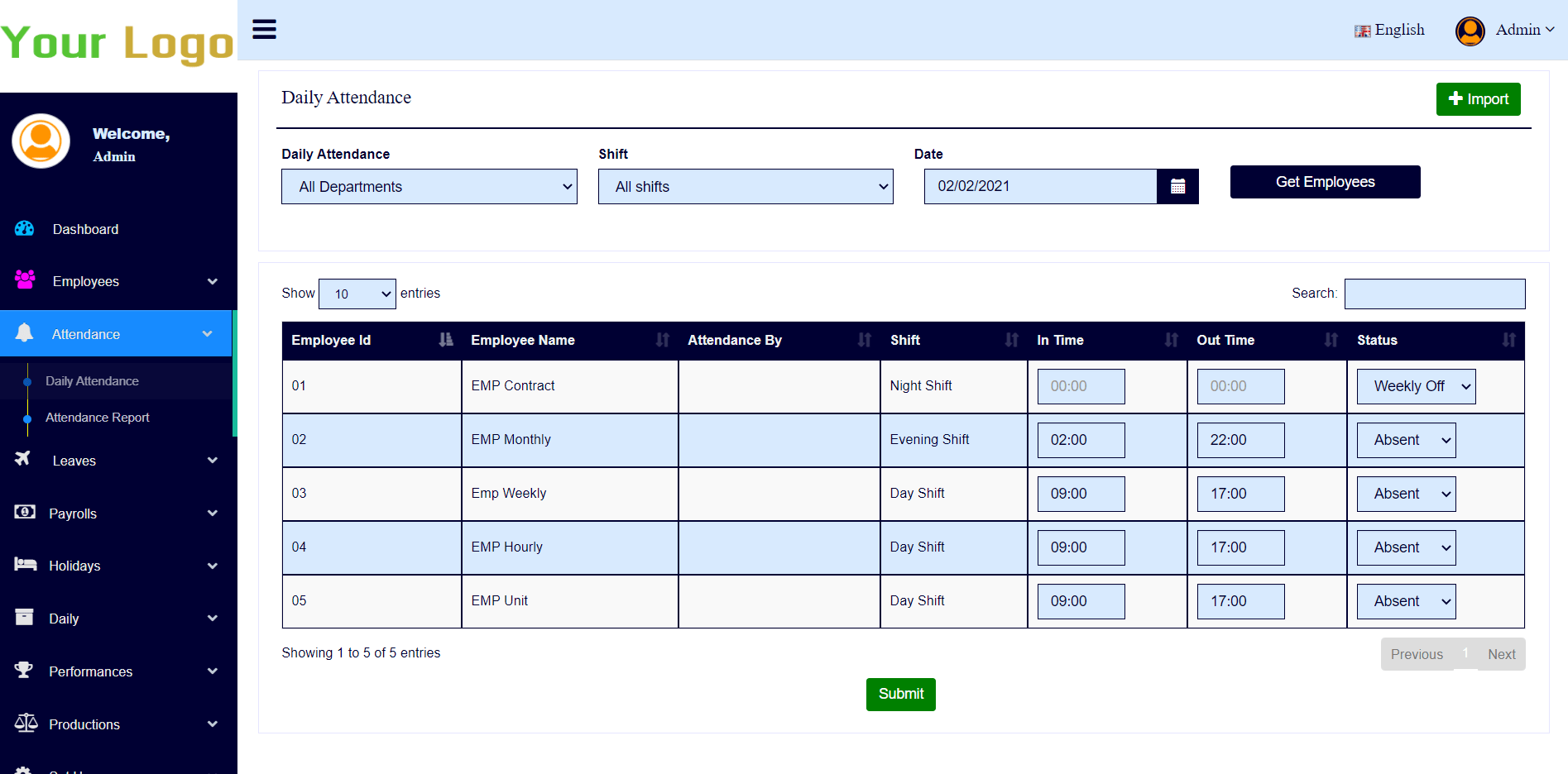
An essential feature of an EMS is the ability to manage employee attendance and leave. The system tracks employees’ working hours, holidays, sick leaves, and vacation days. This feature helps HR departments monitor attendance and generate reports, improving overall time management.
Payroll Management
An Employee Management System can also handle payroll calculations, ensuring accurate and timely salary disbursement. The system can calculate taxes, benefits, bonuses, and deductions based on predefined criteria, reducing manual errors and time spent on payroll processing.
Performance Evaluation
EMS enables businesses to track employee performance through regular evaluations. HR managers can create performance review forms, set goals, and provide feedback to employees. This feature helps improve employee productivity, fosters growth, and encourages development.
Leave Requests
The system allows employees to submit leave requests through a user-friendly interface. Employees can request leave for personal, medical, or vacation purposes, and HR managers can review, approve, or deny these requests based on the company’s policies and available leave balances.
Document Management
Another important feature is the document management system that stores important files and documents related to employees, such as contracts, offer letters, tax forms, and certifications. This centralizes the storage of critical documents and ensures easy retrieval when needed.
Employee Self-Service Portal
A self-service portal allows employees to manage their personal information, view their attendance records, request leave, and check their pay slips. This feature empowers employees and reduces the administrative burden on HR departments.
Advantages of an Employee Management System in PHP
An Employee Management System in PHP offers several advantages, making it an excellent choice for businesses:
Cost-Effective
PHP is an open-source scripting language, which means that developing an EMS with PHP is cost-effective compared to other proprietary software. PHP’s open-source nature reduces licensing fees and allows businesses to create a customized EMS according to their requirements.
Customizability
One of the most significant benefits of a PHP-based EMS is its customizability. PHP is flexible and can be easily modified to suit the unique needs of a business. Whether a business needs a specific feature for payroll management, leave tracking, or employee evaluations, it can be customized without limitations.
Scalability
As businesses grow, so does the number of employees and the complexity of HR tasks. PHP-based Employee Management Systems are scalable and can accommodate growing numbers of employees and more complex requirements. The system can be easily upgraded or expanded to meet new business needs.
Security
Security is critical when managing sensitive employee data. PHP and MySQL offer robust security features such as data encryption, password protection, and access control systems, ensuring that employee information remains secure. Moreover, regular updates to PHP frameworks and MySQL improve security and keep the system safe from vulnerabilities.
Real-Time Data Access
With an online EMS, HR managers and employees can access data in real time from anywhere with an internet connection. This promotes quicker decision-making, enhances communication, and increases productivity by allowing employees to update their records and HR managers to monitor data continuously.
Automation of HR Processes
The automation of tasks such as attendance tracking, leave requests, payroll processing, and performance evaluations significantly reduces manual work. Automation minimizes human error, streamlines operations, and frees up time for HR professionals to focus on strategic activities rather than routine tasks.
How to Implement an Employee Management System in PHP
Implementing an Employee Management System in PHP involves several steps:
Requirement Gathering
The first step is to understand the needs of the organization and the HR department. Identify the features and functionalities that the system must include, such as employee records management, attendance tracking, payroll, performance evaluations, and leave management.
System Design and Architecture
Based on the requirements, design the system’s architecture. Create a blueprint of the database, define tables for employees, payroll, leave, and performance, and plan the user interface for HR managers and employees.
Development and Customization
Using PHP and MySQL, begin the development process. Customize the system to reflect the specific needs of the business, such as payroll calculations, leave policies, and reporting functionalities.
Testing and Debugging
After development, thoroughly test the system for bugs, security vulnerabilities, and functionality. Debug any issues and ensure that the system works smoothly and as intended.
Deployment and Training
Once testing is complete, deploy the system to the production environment. Provide training to HR managers and employees on how to use the system effectively.
Maintenance and Upgrades
Regular maintenance is necessary to ensure the system runs efficiently. Address any issues that arise and implement periodic upgrades as the business grows.
FAQs: Employee Management System in PHP
What is an Employee Management System in PHP?
An Employee Management System (EMS) in PHP is a web-based application developed using PHP and MySQL to manage various HR tasks such as employee data management, attendance tracking, payroll processing, performance evaluations, and leave management.
Why should I choose PHP for developing an Employee Management System?
PHP is a flexible, open-source programming language that is cost-effective and highly customizable. It allows businesses to build tailored solutions to meet their unique HR needs and integrate them seamlessly with MySQL databases for efficient data management.
What are the key features of an Employee Management System in PHP?
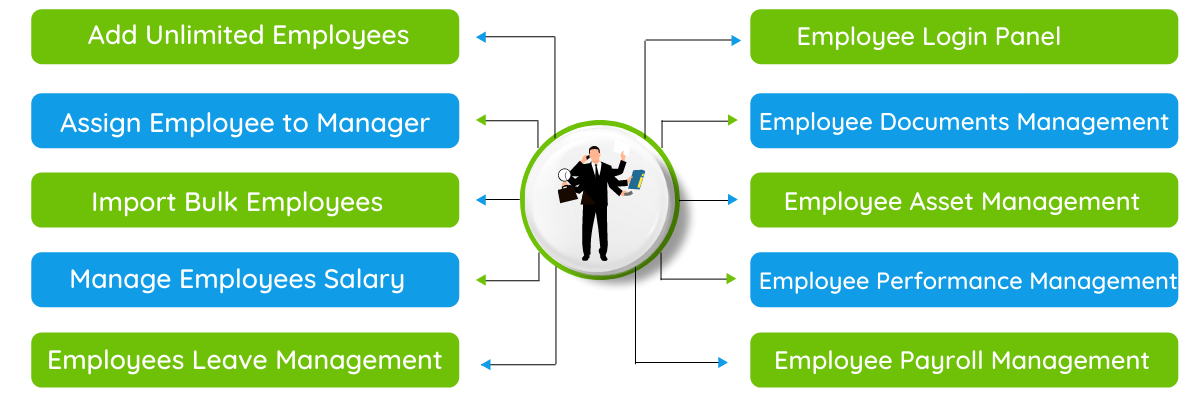
Key features include employee database management, attendance tracking, payroll processing, leave management, performance evaluations, document management, and an employee self-service portal for easy access to their records.
How does PHP ensure data security in an Employee Management System?
PHP offers robust security features such as data encryption, access control, and secure password hashing. It also regularly updates security patches to safeguard sensitive employee data from unauthorized access and cyber threats.
Can an Employee Management System in PHP handle large amounts of employee data?
Yes, PHP-based EMS is highly scalable. It can efficiently handle large volumes of employee data and can be customized to manage more complex HR functions as your business grows.
How much does it cost to implement an Employee Management System in PHP?
PHP is open-source and free, but the cost of developing an Employee Management System depends on factors such as customization, hosting, and technical support. In general, it is a more cost-effective solution compared to proprietary software.
Is it easy to integrate an Employee Management System in PHP with other tools?
Yes, PHP-based systems are highly integrable with other tools and software like accounting systems, HRMS, and CRM tools. APIs and plugins can be used to ensure seamless data exchange between different applications.
How user-friendly is an Employee Management System in PHP?
PHP-based EMS platforms are designed to be user-friendly, offering intuitive interfaces for both HR managers and employees. Minimal training is required, and the system can be easily navigated by users with basic technical knowledge.
Can I customize the Employee Management System built in PHP?
Yes, one of the major advantages of using PHP is its customizability. You can modify features, add new functionalities, and adapt the system to fit your company’s specific HR needs, processes, and workflows.
How do I maintain the Employee Management System after deployment?
Regular maintenance is essential to ensure the system remains secure and functional. This includes software updates, backups, bug fixes, and enhancements to meet new business requirements. Most businesses also offer technical support services for ongoing assistance.
An Employee Management System in PHP MySQL is an indispensable tool for businesses seeking to streamline HR processes. By providing features such as employee data management, attendance tracking, payroll, and performance evaluations, PHP-based EMS systems improve operational efficiency, reduce administrative burden, and enhance employee satisfaction. Moreover, the customizability, cost-effectiveness, and scalability of PHP make it an excellent choice for businesses of all sizes. Investing in an EMS can help organizations better manage their workforce and achieve long-term growth.